On this episode of the Radical Candor podcast, Kim, Jason and Amy discuss absentee management and quiet firing. While these two things can feel the same to the person experiencing them, the thing that makes them different is the intention behind the behavior. Quiet firing happens when managers allow employees to have toxic experiences at work as a way to get them to quit. On the other hand, a more pervasive problem is well-intentioned bosses who practice absentee management. They’re that ghost boss who is rarely seen or heard from by their direct reports. What can you do if you work in this kind of environment? Listen now to learn more.
Listen to the episode:
Radical Candor Podcast Episode At a Glance
On our last episode, we talked about micromanagement. Today we’re going to talk about the other side of that coin — absentee management and quiet firing.
While these two things can feel the same to the person experiencing them, the thing that makes them different is the intention behind the behavior.
According to Gallup, “Quiet firing happens when managers allow employees to have truly toxic or miserable experiences at work as a way to squeeze them out. It's a form of gaslighting.” Or as we might say at Radical Candor, a form of Manipulative Insincerity.
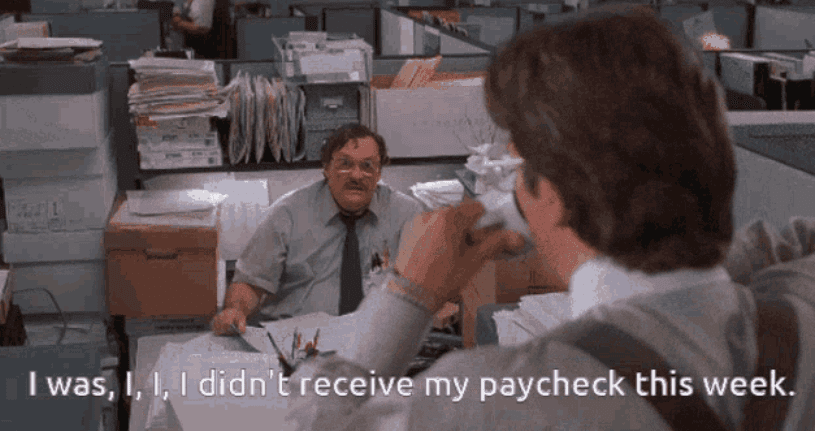
We have another Office Space example: Milton.
Milton was actually let go from his job, five years prior to the events in the movie, but no one ever told him and he kept turning up to work. Due to a glitch in the payroll system, he also kept getting a paycheck. After the glitch is fixed, Milton still shows up for work despite not getting paid. His workspace is repeatedly relocated until he finally finds himself in the basement next to the boiler room where he plots his revenge.
While Milton’s treatment was intentional, a more pervasive problem is well-intentioned bosses who practice absentee management.
One of the most common mistakes bosses make is to ignore the people who are doing the best work because “they don’t need me” or “I don’t want to micromanage.” Ignoring somebody is a terrible way to build a relationship.
Some management bloviators will advise you simply to hire the right people and then leave them alone. Dick Costolo, Twitter’s CEO from 2010–2015, explained succinctly how crazy this advice is, as Kim detailed in Radical Candor.
“That’s like saying, to have a good marriage, marry the right person and then avoid spending any time with them. Ridiculous, right?” he exclaimed.
“Imagine if I went home and told my wife, ‘I don’t want to micromanage you, so I’m not going to spend any time with you or the kids this year.’”
Radical Candor Podcast Checklist
- Don’t hire people and never talk to them again. Being a hands-off manager is different than being an absentee manager. All managers should be having regular 1:1 meetings with their direct reports, actively soliciting feedback and having regular Career Conversations.
- Don’t be a jerk. Quiet firing is gaslighting at its worst and junior high behavior at its best. It’s is no way to build a business or a solid team and will most certainly come back to bite you (seriously, people, watch Office Space!) If you need to let someone go for whatever reason, you can do so with Radical Candor.
- If you are struggling with an absentee manager, a good way to engage them is by requesting a 1:1 meeting with your boss and sharing a challenge you are having, asking for their input, and letting them know when you will need additional support from them. Put some time on the calendar with them as a follow-up!
- Before you throw your bike helmet against the wall and "rage quit," don't forget to "rage apply" for that job you really want.
Radical Candor Podcast Resources
- Absentee And Micromanagers Make Equally Bad Bosses—Here's 1 Thing Successful Managers Do Instead
- What is your strategy for working under an absent boss?
- Are You Being Quiet Fired?
- Majority of workers who quit a job in 2021 cite low pay, no opportunities for advancement, feeling disrespected
- 'Rage applying': The latest TikTok job trend pushing for a change
- Radical Candor Podcast: Are You A Micro Or Absentee Manager?
- Are You An Absentee Manager, A Micromanager, Or A Thought Partner? | Radical Candor
- Why It's Important for Leaders to Double Down On Radical Candor During Times of Uncertainty
- Can You Collect Unemployment When You Quit Your Job?
- A worker who fears she's getting 'quietly fired' explains 2 warning signs that your company might be trying to push you out
- Are Your Managers ‘Quietly Firing’ Your Best People by Mistake?
- Office Space (the movie)
Have questions about Radical Candor? Let's talk >>
————————————————————————————————————————————————————————————–
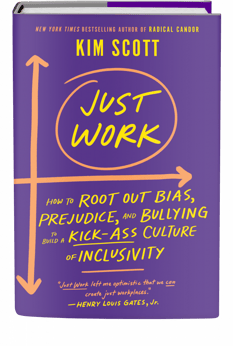
Just Work is Available Everywhere Books are Sold!
Episodes are written and produced by Brandi Neal with script editing by Amy Sandler. The show features Radical Candor co-founders Kim Scott and Jason Rosoff and is hosted by Amy Sandler.
The Radical Candor Podcast theme music was composed by Cliff Goldmacher. Order his book: The Reason For The Rhymes: Mastering the Seven Essential Skills of Innovation by Learning to Write Songs.
Sound editing by PodcastBuffs.
More from Radical Candor
Fixing the Employee Experience (with Tiffani Bova) 8 | 26
While the podcast team is on a Radical Sabbatical, Kim Scott is spending the season talking to authors of the books that have shaped her thinking. This week: Tiffani Bova, whose …
Unlocking Leadership Intelligence (with Caroline Webb) 8 | 24
What separates a leader who makes wise calls under pressure from one who gets stuck in their own point of view? Caroline Webb has spent decades studying the answer — first as an …
Get Situated for Success (with Angela Duckworth) 8 | 23
While the Radical Candor podcast team is on a Radical Sabbatical, Kim Scott is spending the season interviewing authors of the books that have shaped her thinking over the past …
Share your perspective
This site is protected by reCAPTCHA and the Google Privacy Policy and Terms of Service apply.