 Kim Scott
What is the 'Lazy Girl Job' Trend? There's Actually Nothing Lazy About Work-Life Balance
The recent viral TikTok trend, the “lazy girl job,” is the latest evidence that Gen Z is tired of hustle culture.
I recently learned that my great-grandfather Taylor Malone started a company with my husband’s great-great uncle, Joe Hyde, in Memphis, Tenn., my hometown. Oddly, it took us 11 years of marriage to learn this. We just found out thanks to a visit to a cemetery in Connecticut, but we’re happy to know now. It’s a great story about how we all need a balance of growth and stability to build great teams, to have successful careers, and to live the lives we imagine.
The whole story nicely illustrates something I learned about building cohesive teams from an executive at Apple. If I’d just been listening around the dinner table, maybe I could have learned it much sooner.
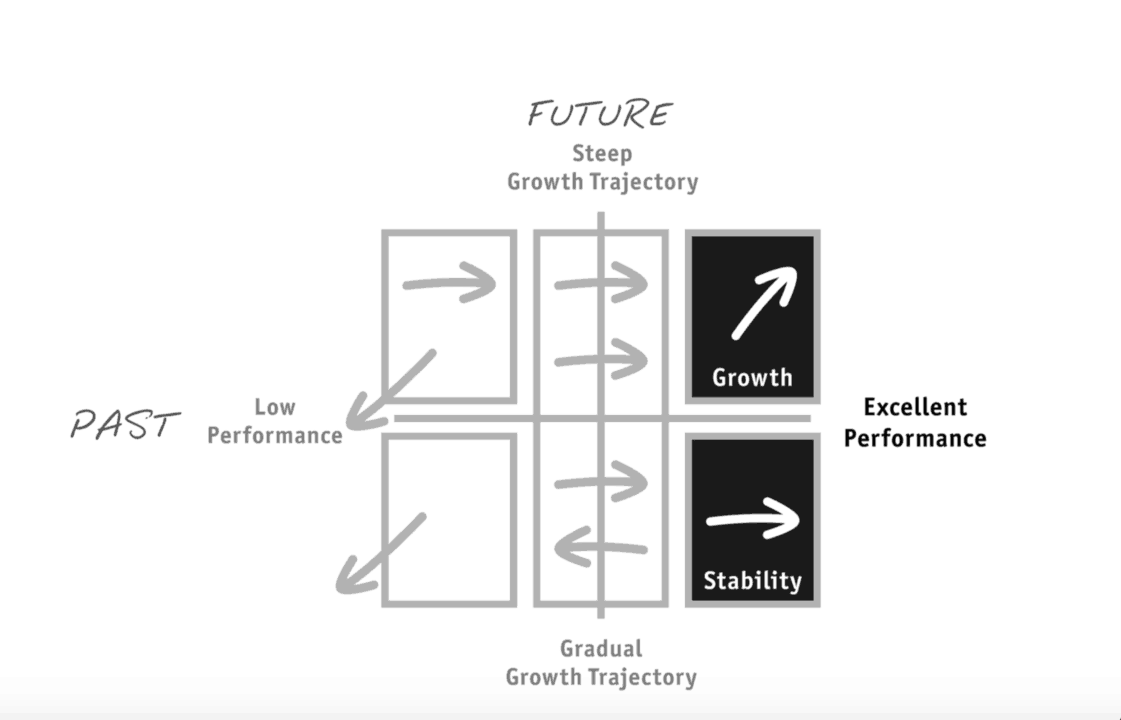
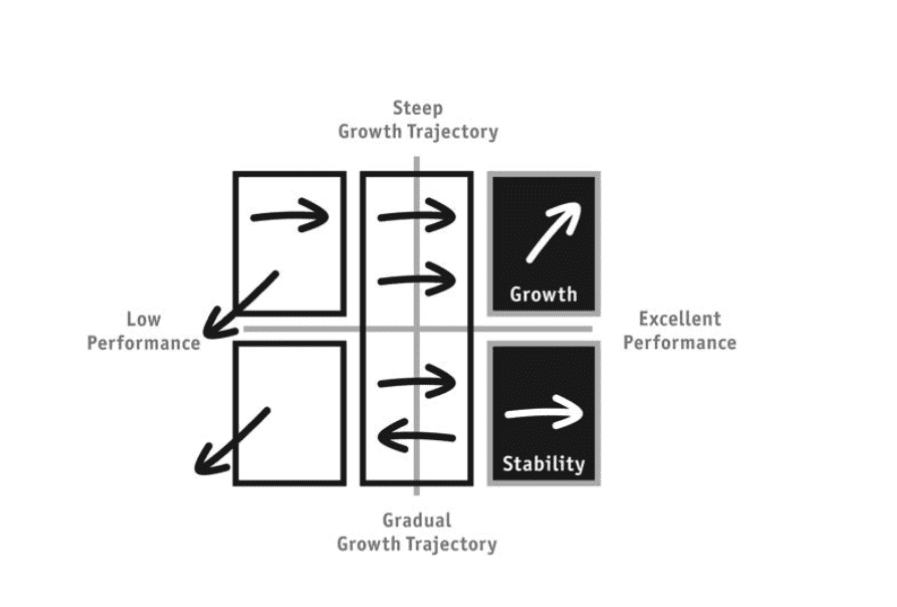
For much of my career, I tended to focus on hiring only the most hyper-ambitious people. I assumed that was the only way to succeed. Then a leader at Apple pointed out to me that all teams need stability as well as growth to function properly; nothing works well if everyone is gunning for the next promotion.
She called the people on her team who got exceptional results but who were on a more gradual growth trajectory “rock stars” because they were like the Rock of Gibraltar of her team.
These people loved their work and were world-class at it, but they didn’t want her job or her boss’s job or to be Steve Jobs. They were happy where they were.
The people who were on a steeper growth trajectory—the ones who’d go crazy if they were still doing the same job in a year—she called “superstars.” They were the source of growth on any team. She was explicit about needing a balance of both.
This was a revelation. Apple was big but still growing like crazy. And yet Apple made room for people with all sorts of different ambitions. You had to be great at what you did and you had to love your work, but you did not have to be promotion-obsessed to have a fulfilling career at Apple.
For most of my career I’d systematically undervalued the so-called “rock stars.” This mistake had caused a lot of unhappiness for people who contributed significantly. (To learn more about balancing superstar mode and rock star mode, read chapters three and seven of Radical Candor.)
Taylor Malone was the ultimate rock star, a man focused on stability. He started Malone and Hyde to support his family, not because he had a passion for business. His passion was fishing. He worked hard, and the company did well. He fished on the weekends.
Joe Hyde was the ultimate superstar, an ambitious man focused on growth. His passion was to build a big business. The company did well, and he wanted to take on debt to grow faster.
Taylor Malone was worried about what the stress of debt and growth would do to his fishing weekends. He decided he’d rather give control to Joe Hyde, let him build on the foundation they’d dug together, forego much of the financial upside, and spend the time taking his grandkids, including my father, fishing.
Lest we leave our female forebears out of the story: My great-grandmother was so loved by her children and grandchildren that nobody could talk about her after she died without bursting into tears. So all I know about her is that she was much loved. But that’s enough to know...
Both Joe Hyde and Taylor Malone got what they wanted. My great-grandfather now fished three times a week, and Andy’s great-great uncle built their little store into Malone and Hyde, one of the largest food distributors in the country.
Both Joe Hyde and Taylor Malone’s decisions have contributed to our family’s psychological freedom to do what we want. They also remind us of the courage and clarity it takes to figure out what we really want.
Joe Hyde reminds us we can take risks and build something big when that’s what we want. Taylor Malone reminds us that may not be what we want, and we can live life at a slower pace and still be productive .
If you can build a team that balances growth and stability, that allows everyone to take a step in direction of their dreams, the benefits to you, your business can be surprising and delightful for generations to come.

The recent viral TikTok trend, the “lazy girl job,” is the latest evidence that Gen Z is tired of hustle culture.
This post about balancing team growth and stability is an adapted excerpt from Radical Candor: Be a Kickass Boss Without Losing Your Humanity. Get ...
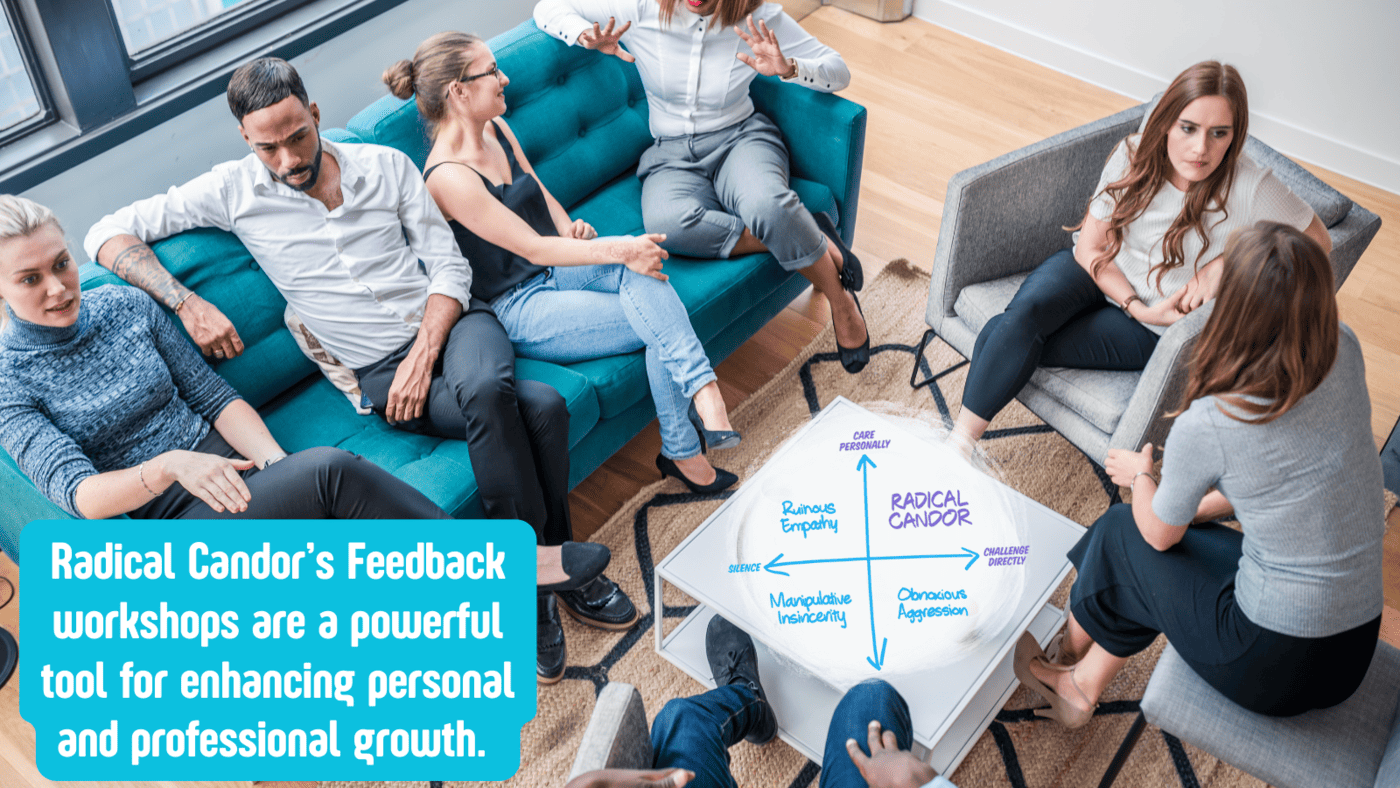
You might think that giving and getting feedback should be simple, right? Why would you need a feedback workshop? At Radical Candor we like to say...
Share your perspective
Leave a comment below.