

6 min read

Fun Feedback Exercises & Activities to Do With Your Team

Fun Feedback Exercises & Activities to Do With Your Team

Table of Contents

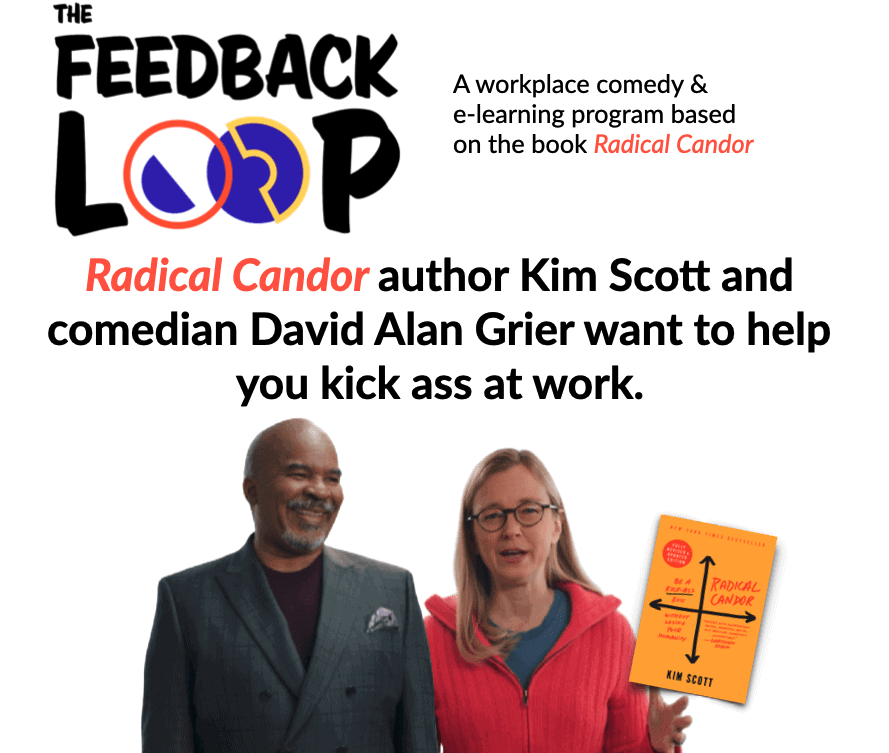
Every once in a while, if you’re lucky, you get to work on something that is so fun you can’t believe it’s work. For me, collaborating with my team and the folks at Second City Works to create a workplace comedy series, The Feedback Loop, was one of those experiences. Not only was it fun for me, it's full of fun feedback exercises, and it's guaranteed to make feedback conversations fun for everyone.

Since Radical Candor was published, my team and I have been working hard to figure out the best ways to help teams put the ideas into practice in a way that scales but still feels human. It’s so easy to say, “Be radically candid,” and so hard to actually do it.

One of the things that people liked about the book was that I broke it down into some practical suggestions, but I think I didn’t break it down quite far enough.

So how can we learn how to practice this? What’s the best way to practice? Fun feedback activities that go along with our hour-long, five-episode series! (Read all the way to the bottom to get 10% off The Feedback Loop digital course!)

Contact Our Team

6 Fun Feedback Exercises


Engaging your team with fun feedback exercises can help create a culture of open communication and continuous improvement. Here are a few ideas you might find helpful:

1. Role Plays

Use feedback role play scenarios to mimic real life. Have team members play the roles of a feedback giver, receiver, and observer. This exercise helps individuals see the impact of their feedback in real-time and navigate emotional responses. It's effective for understanding different perspectives and practicing Radical Candor.

If you're a regular listener of the Radical Candor podcast, you know that my co-founder and Radical Candor CEO Jason Rosoff do this all of the time.

2. Feedback Pairs

Pair up team members and have them give each other specific and sincere praise. One of our favorite fun activities on providing feedback helps build mutual appreciation and trust within the team. You can also include kind and clear criticism to help each other grow.

3. Gauge Your Feedback

Use the Radical Candor framework and have team members rate the feedback they receive. This helps to understand if the feedback is landing as intended and provides insights for improvements.

4. The 'Tell Me Why I'm Wrong' Game

During this fun feedback exercise, encourage team members to present their ideas and invite others to challenge them directly. This fosters a culture of healthy debate and collaborative problem-solving.

5. Brainstorm and Clarify Sessions

Conduct sessions where the team can brainstorm ideas and use 'plussing' to build on each other's suggestions rather than dismissing them. Follow up with clarifying questions to refine the ideas before moving to debates.

6. Whoops-a-Daisy

One of the most successful fun feedback exercises I have used is Whoops-a-Daisy. This is a system where team members publicly admit and learn from their mistakes and win cash in the process. This promotes a culture of learning and continuous improvement.

These exercises not only make feedback fun but also help in creating a trusting and open environment where everyone feels safe to give and receive feedback.

Want Fun Feedback Activities? 5 Ways Comedy Can Help

Feedback conversations


There’s research that supports this idea that laughter is an incredibly effective way to learn and for messages to really sink in. Radical Candor is the very stuff of human drama and human relationships.

While it’s easier to be funny when you’re getting Radical Candor wrong — what I like to call Radical Candor wipeouts — even when you’re getting it right, it can be quite funny.

Comedy can play a significant role in making feedback conversations more engaging and effective. The integration of humor can help individuals relax and lower their defenses, making them more receptive to both giving and receiving feedback. Here's how comedy ties into feedback conversations:

1. Learning with Laughter

Comedy creates an enjoyable and memorable learning experience. When people laugh, they are more likely to retain information and apply it in real-life scenarios.

“We learn when we laugh,” Kelly Leonard of Second City Works said to me one day. And that was the start of Improvising Radical Candor, a whole new way to think about how to teach managers, both first time managers and seasoned CEOs, to handle the human drama associated with the job was born.

2. Breaking Down Barriers

Humor can break down barriers and make difficult conversations less intimidating. By incorporating elements of comedy into your fun feedback activities, actual feedback sessions can feel less like a chore and more like a collaborative and light-hearted exchange.

3. Improv Exercises

Improvisation, a staple of comedy, involves drills that teach discrete skills necessary for Radical Candor. Improv exercises can help teams engage in feedback role play scenarios and practice listening with the intent to understand rather than respond, ensuring that feedback is received and digested effectively.

4. Relatable Scenarios

Comedy often reflects real-life situations that people can relate to, making the lessons more applicable to daily work interactions. For example, characters in The Feedback Loop deal with common workplace challenges, and their humorous attempts to practice Radical Candor make the learning process enjoyable and relatable.

5. Role Models of What Not to Do

 Comedy can illustrate the pitfalls of poor feedback methods in an impactful way. We wanted The Feedback Loop to help people distinguish between what’s Radical Candor — being kind and clear — and what’s not; for example, what’s actually Obnoxious Aggression, or basically just acting like a jerk.

And all the different ways we try to get Radical Candor right, but we accidentally get it wrong. I think this show manages to do that, and thanks to the hilarious cast, including David Alan Grier, you’re laughing as you’re learning.

Comedy enhances the effectiveness of feedback conversations by making the learning process enjoyable, breaking down barriers, providing clear examples of dos and don'ts, and creating relatable scenarios that teams can learn from.

8 Feedback Role Play Scenarios


We get a lot of questions about feedback role play scenarios and which ones people should use to practice their feedback skills. I love roleplaying on the podcast and often take on the role opposite of how I generally behave.

Feedback role play scenarios are not only one of the most effect fun feedback exercises, they're also an excellent way to practice and refine feedback skills within your team. Here are some scenarios you can use to create practical and engaging exercises:

1. Micromanaging Boss

One team member plays a boss who excessively micromanages, stifling the team's growth. The other plays a concerned employee who needs to address the issue with clear examples of how the micromanaging behavior affects team performance and morale.

2. Missed Deadlines

A team member repeatedly misses deadlines, impacting the project's progress. The feedback giver must discuss the issue kindly and clearly, highlighting the importance of meeting deadlines and offering support to improve time management skills.

3. Specific and Sincere Praise

Have one team member play a role where they achieved something significant, and another give specific and sincere praise. This scenario helps practice providing meaningful praise that reinforces good performance.

4. Disruptive Behavior in Meetings

One person plays an employee who disrupts meetings with off-topic comments. The other person needs to provide kind and clear feedback about staying on topic and respecting team members' time while encouraging relevant contributions.

5. Receiving Criticism

A team member's work quality has declined, and another needs to offer criticism. The feedback should be clear, focusing on specific areas for improvement while showing personal care and offering help.

6. Cross-Departmental Communication Issues

Two departments are struggling to communicate effectively. Team members role-play as leaders from each department, providing feedback on how miscommunications are affecting workflows and suggesting ways to improve collaboration.

7. Peer-to-Peer Feedback

One team member provides feedback to a peer about a professional growth area, such as improving presentation skills. The focus should be on offering actionable suggestions while maintaining respect and support.

8. Recognition of Consistent Performance

One person consistently performs well but feels underappreciated. The feedback giver practices recognizing their contributions without necessarily linking it to promotions, highlighting the value of their stability and reliability.

Role plays like these can create a safe environment for team members to practice delivering and receiving feedback effectively, using the principles of Radical Candor. Encourage participants to reflect on the exercise afterward to discuss what worked well and what could be improved.

Download Our Fun Feedback Exercises

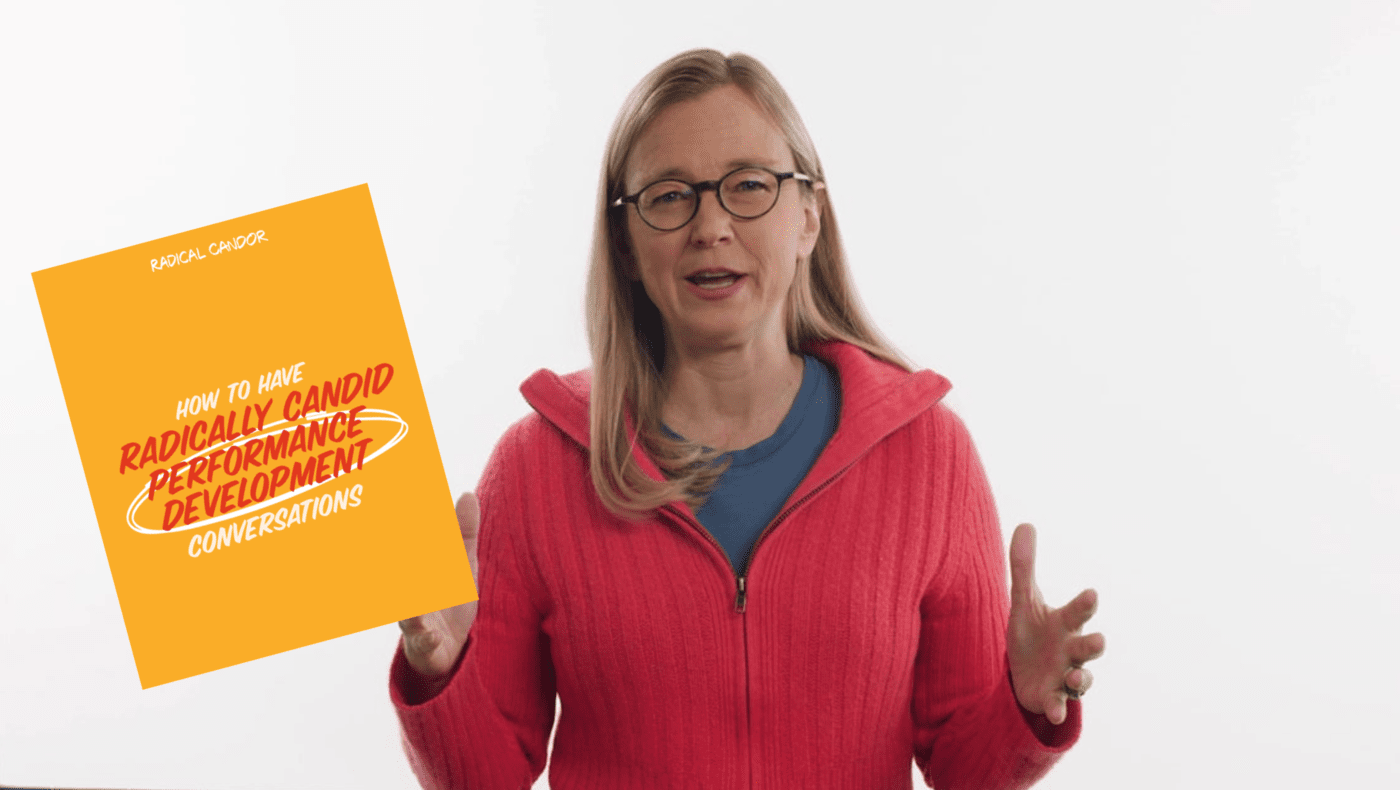
The Radical Candor Practice Playbook is a valuable resource to help you and your team practice giving and receiving feedback effectively by incorporating practical strategies and structured approaches. Here's how it can assist you in improving feedback conversations:

  • Structured Framework: Introduces models like the CORE (Context, Observation, Result, Expected nExt stEps) framework for clear, specific feedback.
  • Clear Objectives: Encourages writing down feedback and objectives before conversations to ensure clarity and purpose.
  • Practicing with Peers: Allows practicing feedback with a peer or HR partner to refine your message and stay composed.
  • HHIIPP Principles: Emphasizes Helpful, Humble, Immediate, In-Person/Synchronously, Public Praise/Private Criticism, and Not About Personality principles for delivering feedback with care and directness.
  • Emotional Awareness: Provides strategies for managing emotional reactions and moving from defensive to problem-solving mindsets.
  • Continuous Improvement: Encourages regular feedback practice for a culture of continuous improvement and open communication.
  • Specific Exercises: Includes role plays and scenarios for practicing feedback in a supportive environment, building skills and confidence.

By following the guidelines and principles outlined in the feedback loop playbook, you can make feedback conversations more effective, fostering a culture of Radical Candor that promotes growth, trust, and collaboration within your team.
Download the Practice Playbook >>


*This post was updated July 18, 2024.

Key Questions Covered

What are some fun feedback exercises I can do with my team?

The post outlines six fun feedback exercises: (1) Role plays, where team members take turns as feedback giver, receiver, and observer; (2) Feedback pairs, where partners exchange specific and sincere praise; (3) Gauge Your Feedback, using the Radical Candor framework to rate feedback as it lands; (4) the 'Tell Me Why I'm Wrong' game to encourage healthy debate; (5) Brainstorm and Clarify sessions using 'plussing' to build on ideas; and (6) Whoops-a-Daisy, where team members publicly admit mistakes and learn from them. Each exercise builds trust and open communication.

What is the Whoops-a-Daisy feedback exercise?

Whoops-a-Daisy is a team exercise where members publicly admit mistakes and learn from them — and even win cash in the process. Kim Scott describes it as one of the most successful fun feedback exercises she has used. The goal is to normalize error-acknowledgment and create a psychologically safe environment where people feel comfortable owning their missteps rather than hiding them, promoting a culture of continuous learning and improvement.

How can comedy or humor make feedback conversations more effective?

Humor lowers people's defenses, making them more receptive to feedback. According to Kelly Leonard of Second City Works, 'We learn when we laugh,' and research supports the idea that laughter improves retention. Comedy also provides relatable scenarios and illustrates what not to do — like modeling Obnoxious Aggression — in a non-threatening way. Kim Scott collaborated with Second City Works to create The Feedback Loop, a workplace comedy series that uses these principles to teach Radical Candor through entertainment.

What feedback role play scenarios are most useful for team practice?

The post suggests eight role play scenarios: micromanaging boss, missed deadlines, specific and sincere praise, disruptive behavior in meetings, receiving criticism about declining work quality, cross-departmental communication issues, peer-to-peer feedback on professional growth, and recognition of consistent but underappreciated performance. These cover a wide range of real workplace situations. After each role play, participants should reflect on what worked and what could be improved to get the most learning value from the exercise.

What is the CORE framework mentioned in the Radical Candor Practice Playbook?

CORE stands for Context, Observation, Result, and Expected nExt stEps. It's a structured model introduced in the Radical Candor Practice Playbook to help you deliver feedback that is clear and specific. By framing feedback around these four elements, you ensure the recipient understands the situation you're referencing, what you observed, why it matters, and what change or action is expected going forward — reducing ambiguity and making the conversation more actionable.

What are the HHIIPP principles for giving feedback?

HHIIPP is an acronym from the Radical Candor Practice Playbook covering six principles for effective feedback: Helpful, Humble, Immediate, In-Person (or synchronous), Public Praise/Private Criticism, and Not About Personality. Together, these principles ensure feedback is delivered with both care and directness — the core of Radical Candor — so it's received well and actually leads to growth rather than defensiveness.

Keep going.

Three ways to put this into practice.

Apply what you've learned Get personalized coaching with Compass
Your AI-powered Radical Candor coach. Free to try.
Used by managers at Apple, Dropbox, and Twitter Try Compass free
Stay sharp More like this, every week
Practical leadership tips in your inbox.
Join 25,000+ leaders Subscribe free
For your whole team Bring Radical Candor to your organization
Workshops, keynotes, and rollouts for teams of 50+.
Trusted by 100+ Fortune 500 leadership teams Talk to our team

EXPLORE MORE FROM RADICAL CANDOR

Stuck In The Feedback Loop? This Radical Candor Training Tool Will Show You The Way Out (And It's Fun!)

Stuck In The Feedback Loop? This Radical Candor Training Tool Will Show You The Way Out (And It's Fun!)

What’s feedback got to do with it? If it’s running a successful business or building strong relationships, effective feedback is everything. And if...
Read More
10 Free Resources to Help You Practice Radical Candor

10 Free Resources to Help You Practice Radical Candor

"Getting and giving impromptu feedback is more like brushing and flossing than getting a root canal," Radical Candor author and co-founder Kim Scott...

Read More
How to Get and Give Feedback Using the Radical Candor Order of Operations

How to Get and Give Feedback Using the Radical Candor Order of Operations

There are four simple steps for how to give and receive feedback you need to excel at work. You might call it the solution to your feedback wipeouts....

Read More