The Emotional Toll of Being Laid Off is Real 5 | 4
Jason hosts this episode of the Radical Candor podcast and interviews Amy, Kim and Brandi about layoffs. The team discusses layoffs from a few...
2 min read
On this episode of the Radical Candor podcast, Kim, Jason and Amy discuss how to tell if the "helpful" guidance you're giving your team is actually veering off into micromanaging. If you want to be a kick-ass boss instead of having team members who want to kick your ass, this episode is a must-listen!
Listen to the episode:
A classic example of a micromanaging helicopter boss is Bill from the 1999 movie Office Space, the bad boss who spawned thousands of memes. He roams around the cubicle farm monitoring everyone’s activity and stops by to scold workers for minor mistakes like forgetting to put the cover sheet on their TPS reports.
However, on a remote team, Bill can’t wander around a physical office, so instead, he finds ways to virtually remind folks about those TPS cover sheets. He sends Slack messages, and emails, schedules unnecessary meetings, he calls and texts. DON’T FORGET THE COVER SHEETS!
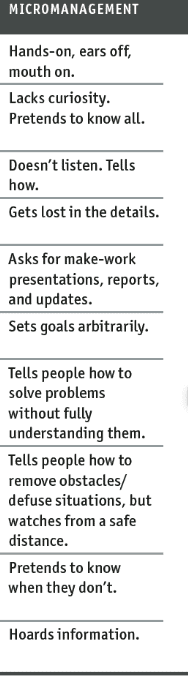
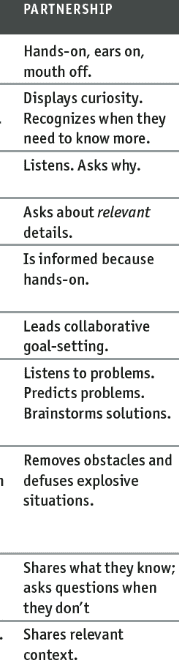
A 2020 Harvard Business Review study found that this behavior is less about employees’ ability to work autonomously than a helicopter boss's confidence in their own ability to manage a remote team.
And while the micromanager is often described as having too much involvement, Gallup notes that “Today's micromanager is likely someone who wants it done exactly their way but provides little context, support, help or advice. It's easier than ever for a manager to swoop in on an email chain or conference call and make demands without having full context about what's happening.”
This kind of incompetent interference can not only cause projects to go awry, but can also lead to burnout, and anxiety and cause good employees to resign.
The problem is that no one thinks they are micromanaging, but clearly, a lot of bosses are exhibiting helicopter behavior. How can you tell if you're one of them?
Listen to the episode to learn more!
Have questions about Radical Candor? Let's talk >>
————————————————————————————————————————————————————————————–
Episodes are written and produced by Brandi Neal with script editing by Amy Sandler. The show features Radical Candor co-founders Kim Scott and Jason Rosoff and is hosted by Amy Sandler.
The Radical Candor Podcast theme music was composed by Cliff Goldmacher. Order his book: The Reason For The Rhymes: Mastering the Seven Essential Skills of Innovation by Learning to Write Songs.
Sound editing by PodcastBuffs.
Jason hosts this episode of the Radical Candor podcast and interviews Amy, Kim and Brandi about layoffs. The team discusses layoffs from a few...
Welcome to season 5 of the Radical Candor podcast! On this episode, we have a montage of Radical Candor, Manipulative Insincerity and Obnoxious...

On this episode of the Radical Candor podcast, Kim and Amy welcome Amy C. Edmondson, the Novartis professor of leadership and management at the...
Share your perspective
Leave a comment below.