How to Have Effective 1-on-1 Meetings With Your Direct Reports
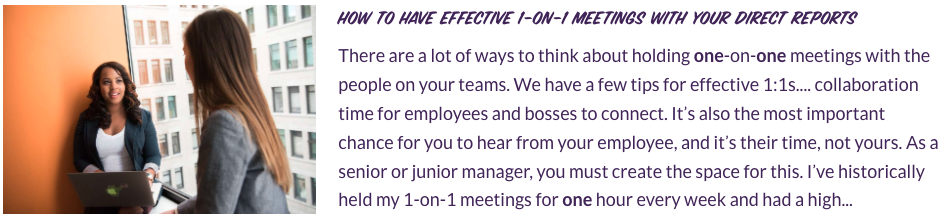
There are a lot of ways to think about holding effective 1-on-1 meetings with the people on your teams. New leaders often hem and haw over how to get...
3 min read

This post about 1-on-1 meetings has been edited by Radical Candor Podcast Producer Brandi Neal and adapted from the transcript of season 7, episode 29 of the Radical Candor podcast.
What happens when your one-on-ones become less “sync” and more “spiral”? Discover how to turn unproductive one-on-one meetings into valuable, trust-building conversations.
You’ve set up one-on-ones with your direct reports. But instead of clarity and collaboration, you're getting... venting. Defensiveness. Resistance to every idea you suggest.
One-on-one meetings are a critical element of effective management. These sessions provide a unique opportunity for managers to build strong relationships, address concerns, and align on goals with their team members.
However, when these meetings devolve into unproductive venting sessions, they can drain trust and hinder progress. Radical Candor Principal Coach and Podcast Host Amy Sandler emphasizes that the quality of these meetings can significantly impact team dynamics and overall productivity.
"It's not just about having the meetings," says Sandler. "It's about making them count."

Unproductive venting often manifests as repetitive complaints without any forward momentum. Co-founder and CEO Jason Rosoff explains that venting can be a signal of deeper issues.
"When your one-on-ones start sounding like therapy sessions with zero breakthroughs, it’s time to ask—what’s really going on here?" he says.
Recognizing the signs early, such as recurring complaints about the same issues or a general sense of frustration, can help managers address the underlying problems before they escalate.

Frustration in one-on-one meetings often stems from feeling unheard or powerless. Employees may vent because they believe their concerns are not being addressed or that they lack control over their work environment.
Sandler notes, "Strong emotions like frustration or venting often mask deeper concerns." By understanding these root causes, managers can better address the real issues at hand.
Rosoff adds, "It's essential to listen actively and validate their feelings while steering the conversation towards actionable solutions."
In addition, you can also ask curious questions when you encounter pushback. For example: “I’ve noticed some pushback to the ideas I’ve shared. Can you help me understand what’s not working for you?”
How do you move from frustrated feedback loops to real, honest conversations that build trust (instead of draining it)? It starts with rebuilding what's been broken.
Rebuilding trust is a gradual that requires consistency and genuine effort. Rosoff advises managers to show up for these conversations, even when they’re difficult. "Consistency builds psychological safety," he says.
Don’t be afraid to name unproductive patterns, such as: “I make suggestions, and you shut them down. It feels like we’re not making progress.” Naming the pattern can be helpful. Also, make a point of highlighting small wins because oftentimes there are small things that get better and can go unnoticed. Praise is more important than criticism and reinforces that change is possible.
One practical step is to acknowledge the frustration and focus on what is within control. Sandler suggests, "You might say something to the effect of: 'Hey, I hear you're frustrated, and I want to support you. At the same time, let’s focus on what’s within our control and figure out how we can tackle it together.'"
Language plays a crucial role in fostering a collaborative environment. Using inclusive language reinforces a sense of solidarity and shared purpose. Rosoff recommends phrases like, "We’re in this together," and "I’ve got your back."
Such language helps build a team culture where everyone feels valued and included. Sandler also highlights the importance of celebrating moments of specificity during one-on-ones, as even small, clear points can lead to more constructive dialogue.
Highlighting and celebrating small wins is a powerful way to build momentum and reinforce positive changes. "Oftentimes, there are small things that get better and can go unnoticed," says Rosoff.
Recognizing these improvements can boost morale and encourage continued progress. Sandler adds, "Praise is more important than criticism and reinforces that change is possible." By focusing on small successes, managers can help their team see the tangible benefits of their efforts.

Active listening is a cornerstone of effective one-on-one meetings. It involves not just hearing but truly understanding and engaging with what the other person is saying.
"Demonstrating that you really hear the person is quite valuable," says Rosoff. This means articulating what you hear, asking clarifying questions, and showing empathy.
Sandler advises managers to explore resistance by asking questions like, "I’ve noticed some pushback to the ideas I’ve shared. Can you help me understand what’s not working for you?" This approach helps uncover deeper concerns and fosters a more collaborative problem-solving process.
Creating a culture of progress requires a commitment to continuous improvement and open communication. Sandler and Rosoff both emphasize the importance of setting clear expectations and following through on commitments.
"It's about finding some way to make progress, even if it's just small steps," says Rosoff. By addressing frustrations, rebuilding trust, and celebrating successes, managers can transform their one-on-one meetings from unproductive venting sessions into valuable opportunities for growth and collaboration.
Effective one-on-one meetings are essential for building trust, addressing team frustrations, and fostering a culture of progress. By listening with intent, using inclusive language, and celebrating small wins, managers can create a more positive and productive environment for their teams. As Sandler aptly puts it, "Progress is still possible—and it starts with real talk."

There are a lot of ways to think about holding effective 1-on-1 meetings with the people on your teams. New leaders often hem and haw over how to get...
.png)
Thrown into a director role without having managed managers before? You’re not alone—and you’re more ready than you think. Radical Candor’s Kim...

Edited by Brandi Neal
Share your perspective
Leave a comment below.