1 min read

Tips to Avoid Obnoxiously Aggressive Criticism

Tips to Avoid Obnoxiously Aggressive Criticism

Table of Contents

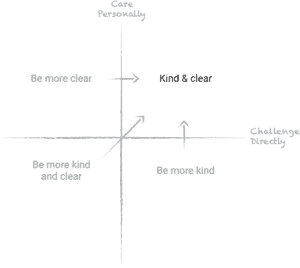
If you think you've given criticism that was Obnoxiously Aggressive, check out these tips for moving towards Radical Candor!
Criticize kindly

This doesn’t mean sugar coating. It means seeing your criticism as an act of kindness, meant to help the person improve. If others have rated your criticism as Obnoxiously Aggressive, you’re not showing that you Care Personally. Try to pause for just a moment and imagine the face of somebody you really care about. Bring the kindness you’d show that person to this conversation.

State your intentions

Try to offer a story about a time when you made a similar mistake, and show how somebody’s criticism helped you. Offer your criticism as a gift intended to help the person improve. Help them see it’s not a punishment intended to humiliate.

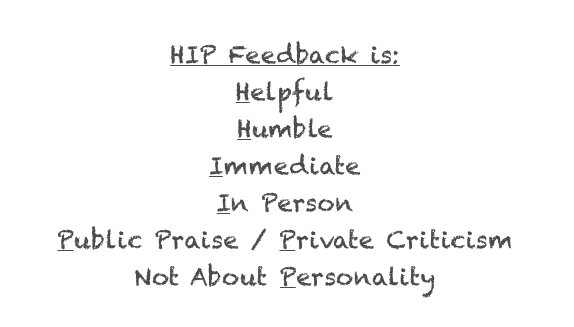
Criticize HUMBLY, expecting to be challenged and sometimes proven wrong

You want to offer CANDOR (“Here’s what I think, what do you think?”) not the TRUTH (“Here’s what I know, you don’t know shit from shinola!”)

Criticize IMMEDIATELY to keep it quick and light

Don’t save up criticism and then pile on a person in a 1:1 or a performance review. Small, quick course corrections are kinder and easier to take than a pile-on well after the fact.

Don’t hide from emotion

Often people avoid giving feedback in person because they are afraid of confronting the other person’s emotions. That’s a big mistake. Reacting to emotion with compassion is a good way to move up on the “Care Personally” axis.

Don’t “front-stab!”

To show you care personally, criticize IN PRIVATE, praise in public. It’s fine to debate or disagree in public, but when you are criticizing a person’s work or behavior, do it privately.

Don’t criticize personality

Don’t say “You’re wrong!” Instead say, “That’s wrong.” For bonus humble points, say, “I think that’s wrong, and here’s my rationale for why: [data point 1, fact 2, theory 3]”

Key Questions Covered

What is Obnoxious Aggression in the Radical Candor framework?

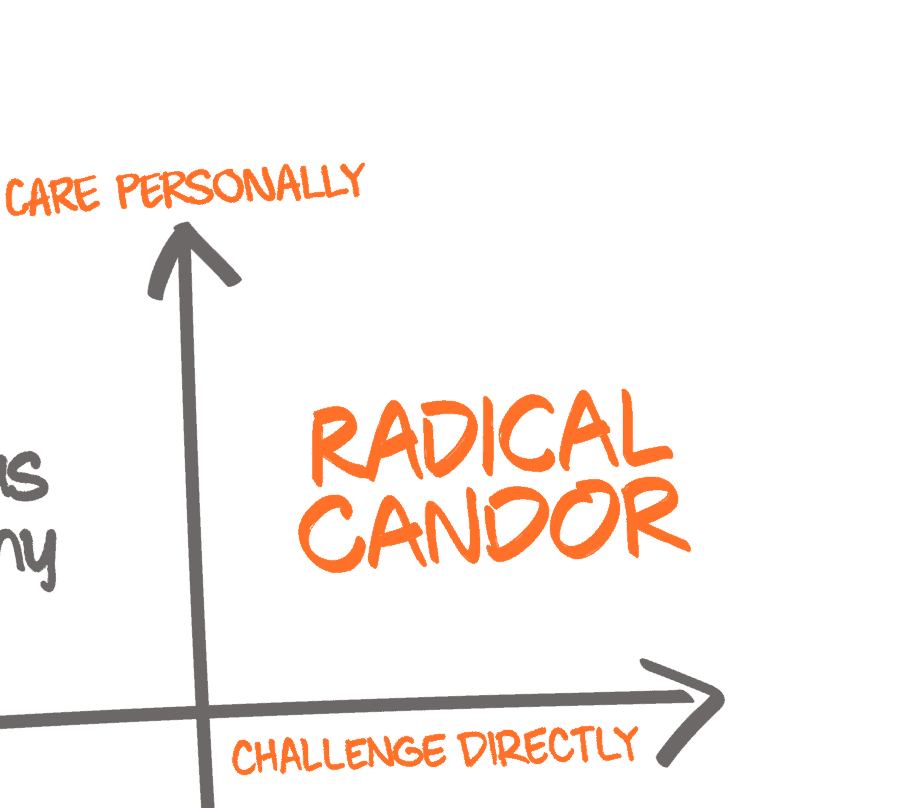
Obnoxious Aggression is one of the four quadrants in the Radical Candor framework. It happens when you challenge someone directly but fail to show that you care about them personally. The criticism may be blunt or even accurate, but it comes across as harsh, humiliating, or unkind — because the human element is missing. The goal is to move toward Radical Candor, where you combine direct challenge with genuine personal care.

How can I criticize someone more kindly without sugarcoating the feedback?

Kindly doesn't mean softening the message — it means framing your criticism as an act of genuine care. Before delivering feedback, pause and imagine you're speaking to someone you deeply care about. Bring that same warmth to the conversation. You can also share a story about a time you made a similar mistake and explain how someone's feedback helped you grow. This reframes criticism as a gift rather than a punishment.

Why should I criticize someone immediately instead of saving it for a performance review?

Saving up criticism and delivering it all at once — in a 1:1 or performance review — feels like a pile-on and is much harder for the other person to absorb. Small, quick course corrections are kinder and more actionable. They're easier to receive because the context is fresh, the stakes feel lower, and the person has a real chance to adjust their behavior before it becomes a bigger issue.

Should I criticize someone publicly or privately?

Always criticize in private. Public criticism — sometimes called "front-stabbing" — signals that you don't care about the person's dignity or reputation. Praise, on the other hand, can and should be shared publicly. It's fine to debate ideas or disagree openly in a group setting, but when the feedback is about a person's specific work or behavior, take it behind closed doors to show you genuinely care about them.

What's the difference between criticizing a person's personality versus their actions?

Criticizing personality — saying "You're wrong" — puts someone on the defensive and attacks their identity. Instead, focus on the work or behavior: "That's wrong" or, better yet, "I think that's wrong, and here's my rationale: [data point 1, fact 2, theory 3]." This approach is humbler, more specific, and leaves room for dialogue. It signals that you're open to being challenged and even proven wrong, which is a key part of Radical Candor.

How should I handle the other person's emotions when delivering criticism?

Don't avoid the conversation just because you fear an emotional reaction — that's a common mistake that leads to withheld feedback and unresolved issues. Instead, lean into it. Responding to emotion with compassion is one of the most effective ways to demonstrate that you Care Personally, which is the foundation of Radical Candor. Sitting with someone in a difficult moment, rather than retreating, builds trust and moves you up on the "Care Personally" axis.

Keep going.

Three ways to put this into practice.

Apply what you've learned Get personalized coaching with Compass
Your AI-powered Radical Candor coach. Free to try.
Used by managers at Apple, Dropbox, and Twitter Try Compass free
Stay sharp More like this, every week
Practical leadership tips in your inbox.
Join 25,000+ leaders Subscribe free
For your whole team Bring Radical Candor to your organization
Workshops, keynotes, and rollouts for teams of 50+.
Trusted by 100+ Fortune 500 leadership teams Talk to our team

EXPLORE MORE FROM RADICAL CANDOR

A HIP Approach to Feedback: 6 Tips to Help You Practice Radical Candor

A HIP Approach to Feedback: 6 Tips to Help You Practice Radical Candor

We’re all about helping people become more Radically Candid with their feedback. By feedback, we mean praise and criticism. Being Radically Candid...

Read More
Tips to Avoid Obnoxiously Aggressive Praise

Tips to Avoid Obnoxiously Aggressive Praise

If you think you've given praise that was Obnoxiously Aggressive, check out these tips for moving towards Radical Candor!

Read More
Tips for Radically Candid Criticism

Tips for Radically Candid Criticism

Giving criticism is hard! Check out these tips for offering Radical Candor:

Read More