1 min read

Tips to Avoid Obnoxiously Aggressive Praise

Tips to Avoid Obnoxiously Aggressive Praise

Table of Contents

If you think you've given praise that was Obnoxiously Aggressive, check out these tips for moving towards Radical Candor!
Praise Sincerely

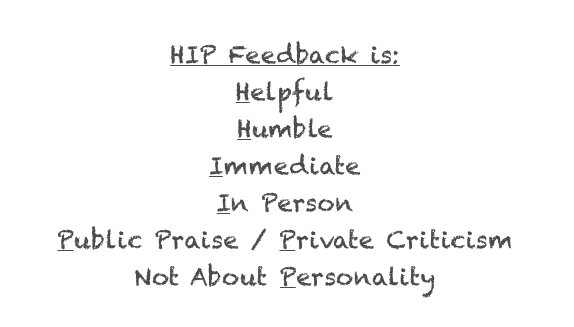
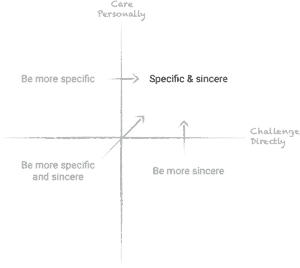
Focus on the good stuff — but if you don’t mean it, don’t say it! If somebody has rated your praise as Obnoxiously Aggressive, you’re not showing that you really do Care Personally. When you see something you genuinely like, just say it!

Praise helps people turn great work into insanely great work

You’re not “babying people’s egos” when you praise them, you’re helping them and everyone else know what’s good, why, and how to do more of it.

You don’t have to eat humble pie to show you’re not arrogant

Just focus on the good stuff. When you see work you admire, speak up with the same energy you’d have when you see work that’s not good enough. When you admire other people’s work, they see that you know you don’t have all the answers.

Just say it!

When you see something great, the key is to point it out right away. It’s more clear that you are genuinely impressed when you say something right away. Look for moments in the day when something impresses you, and give those moments a voice. The 30 seconds you invest will help people look forward to what you have to say.

Praise in person so you can notice if the other person is surprised

If so, you’re not giving enough praise.

Praise in every public forum available

Praise in big meetings, in front of your boss, in front of the whole team. Follow up in email and reply-all! Write notes. They don’t always have to come from you. Make sure your boss knows about your team’s accomplishments, and notes them. Don’t dismiss recognition as babying egos; you’re doing it to help everyone learn. And the more you praise, the more open people are to your criticism.

Trying to soften criticism by starting with praise about personality just sounds insincere

Starting any sentence with phrases like, “I know you are a genius, but…” is not likely to be effective.

Key Questions Covered

What does Obnoxiously Aggressive praise look like?

Obnoxiously Aggressive praise happens when you say something positive but it doesn't feel sincere — for example, starting feedback with "I know you're a genius, but…" or offering compliments that feel hollow or performative. In the Radical Candor framework, it signals that you're not truly Caring Personally, even if you think you're being kind. The praise lands as insincere because it lacks genuine intent or specificity.

How do I make my praise feel more sincere and less obnoxious?

The key is to only praise what you genuinely admire — don't say it if you don't mean it. When you notice something impressive, say so immediately and specifically. Timely, specific praise is far more credible than delayed or vague compliments. Focus on the work itself rather than personality traits, and speak up with the same energy you'd use to flag something that isn't good enough.

Why is praising people important — isn't it just babying their egos?

No — praise isn't about ego-stroking. It's a teaching tool. When you praise great work clearly and specifically, you help the person and everyone around them understand what good looks like, why it matters, and how to replicate it. Radical Candor frames praise as essential feedback that turns great work into insanely great work. Skipping praise deprives your team of valuable signal about what to keep doing.

Should I praise people publicly or privately?

Both, but lean toward public. Praise in person first so you can gauge whether the person is surprised — if they are, it's a sign you haven't been praising enough. Then go further: mention accomplishments in big meetings, in front of your boss, in front of the whole team. Follow up via email, reply-all, or written notes. Public praise also helps everyone learn what excellent work looks like.

How does giving more praise make people more receptive to criticism?

When people experience you as someone who genuinely notices and celebrates good work, they trust that your criticism comes from the same honest, caring place. Radical Candor is built on the combination of Caring Personally and Challenging Directly. A track record of sincere praise builds the psychological safety that makes critical feedback land as helpful rather than threatening. Simply put: the more you praise, the more open people become to hearing hard truths.

Keep going.

Three ways to put this into practice.

Apply what you've learned Get personalized coaching with Compass
Your AI-powered Radical Candor coach. Free to try.
Used by managers at Apple, Dropbox, and Twitter Try Compass free
Stay sharp More like this, every week
Practical leadership tips in your inbox.
Join 25,000+ leaders Subscribe free
For your whole team Bring Radical Candor to your organization
Workshops, keynotes, and rollouts for teams of 50+.
Trusted by 100+ Fortune 500 leadership teams Talk to our team

EXPLORE MORE FROM RADICAL CANDOR

Tips to Avoid Obnoxiously Aggressive Criticism

Tips to Avoid Obnoxiously Aggressive Criticism

If you think you've given criticism that was Obnoxiously Aggressive, check out these tips for moving towards Radical Candor!
Read More
Tips to Avoid Manipulatively Insincere Praise

Tips to Avoid Manipulatively Insincere Praise

If you think you've given praise that was Manipulatively Insincere, check out these tips for moving towards Radical Candor!

Read More
Tips to Avoid Ruinously Empathetic Praise

Tips to Avoid Ruinously Empathetic Praise

If you think you've given praise that was Ruinously Empathetic, check out these tips for moving toward Radical Candor!

Read More