Tips to Avoid Manipulatively Insincere Criticism
If you think you've given criticism that was Manipulatively Insincere, check out these tips for moving towards Radical Candor!
1 min read
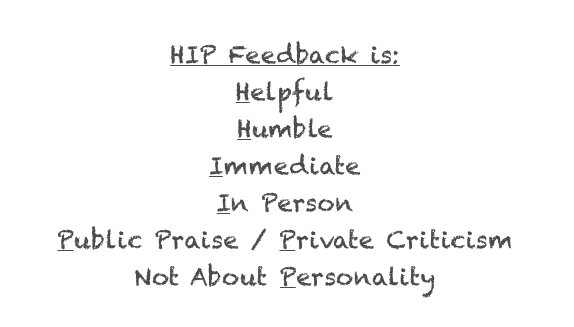
Giving criticism is hard! Check out these tips for offering Radical Candor:
 Radically Candid criticism is kind and clear
Easy to say, hard to do. Being kind means caring about what’s best for the person long term, not just what feels easiest right now. Being clear means leaving no room for interpretation about what you really think — while also being open to the possibility that your opinion is wrong.
When you are really clear about what’s wrong and why, you help the person fix the problem. Offer criticism in a spirit of helpfulness, even if you don’t have actual help to offer.
Your ego is in check; you are always open to learning that what you think is dead wrong. You’re not just open to being wrong, you’re happy to be proven wrong. What you care about is helping others do the best work of their careers, and getting to the best answer.
If somebody makes a mistake, you tell them right away. That’s more kind because pointing it out right away gives the person an opportunity to fix it faster, and it’s more clear because the details are fresh.
Remember, Radical Candor gets measured at the listener’s ear, not the talker’s mouth. Since 90% of communication is non verbal, it’s really hard to know if your criticism is Radically Candid — or not — if you can’t see how it lands. The only way to know if you’ve been kind and clear is to see how the other person is reacting.
Debates can happen in public, but if you’re criticizing a person, it’s much kinder to do it in private. It will also be more clear, because private criticism is much less likely to trigger a person’s defense mechanisms.
It’s saying, “I don’t think that’s true,” rather than, “You’re a liar!” People can’t alter their personality, so saying things like “You’re a jerk” or “You are sloppy” is neither kind nor helpful. And it’s almost always a flawed analysis of the situation.

If you think you've given criticism that was Manipulatively Insincere, check out these tips for moving towards Radical Candor!
If you think you've given criticism that was Ruinously Empathetic, check out these tips for moving towards Radical Candor!
If you think you've given criticism that was Obnoxiously Aggressive, check out these tips for moving towards Radical Candor!
Share your perspective
Leave a comment below.