Tips to Avoid Ruinously Empathetic Criticism
If you think you've given criticism that was Ruinously Empathetic, check out these tips for moving towards Radical Candor!
1 min read
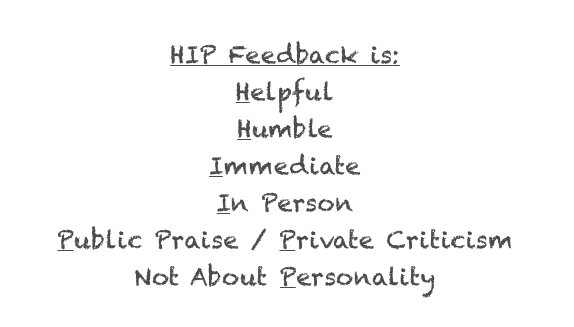
If you think you've given criticism that was Manipulatively Insincere, check out these tips for moving towards Radical Candor!
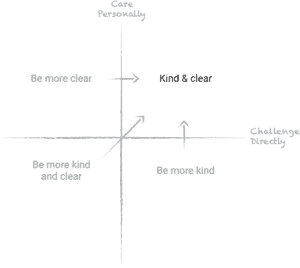
Just say what you really think. It’s not mean if it’s clear enough. If others have rated your criticism as Manipulatively Insincere, you’re not showing you care or challenging them directly enough. It’s hard to break free from the “if you don’t have anything nice to say don’t say it at all” advice that was pounded into your head since you learned to talk. But now it’s not just your job to say it — it’s your moral obligation.
If you have criticism for somebody, it’s helpful to tell the person directly, but really unhelpful to talk about the problem with others.
When you are thinking one thing and saying another, it’s not kind, it’s confusing, and it erodes trust.
It sours over time. Remember that ex who’d bring up small things you did wrong six months ago? You don’t want to be THAT person.
It can feel risky to tell somebody what you think right to their face. But, saying in person “I think this is screwed up, and here are some ideas for how to fix it” is FAR safer than saying nothing and thinking, “you’re screwed up.” Be humble (“I think”) and focus on specifics, not attributes (“this,” not “you”), and be ready with ideas to help. Then, it’s not so risky.
Criticizing a person behind their back is much the same thing as using a bullhorn and doing it publicly, only worse. It’ll get back to them, and it will earn you the reputation for back-stabbing.
When people screw up, it doesn’t mean they are morons. It just means they screwed up. But when you think, “What a moron,” you are falling prey to the fundamental attribution error. If you are very clear about what went wrong, you’re more likely to be able to verbalize what’s bothering you in a way that is kind.

If you think you've given criticism that was Ruinously Empathetic, check out these tips for moving towards Radical Candor!
Giving criticism is hard! Check out these tips for offering Radical Candor:
If you think you've given praise that was Manipulatively Insincere, check out these tips for moving towards Radical Candor!
Share your perspective
Leave a comment below.