6 min read

How to Use Radical Candor to Set Your Team Up for Success In 2026 & Beyond

How to Use Radical Candor to Set Your Team Up for Success In 2026 & Beyond

Table of Contents

How to Use Radical Candor to Set Your Team Up for Success In 2026 & Beyond
13:54

Edited By Brandi Neal, Radical Candor podcast writer and producer, and director of content creation for Radical Candor. This article about how to use Radical Candor to set your team up for success in 2026 and beyond pulls from our vast library of content about introducing Radical Candor to teams. Get more tips, courses, and coaching in the Radical Candor Community.


Set Your Team Up for Success In 2025

The start of a new year brings fresh energy and it's the perfect opportunity to build stronger relationships with your team. We've been asked by many leaders how to introduce Radical Candor in their organizations, and while it might seem daunting, it's actually pretty simple to get started.

The key is to begin right away while understanding that lasting change takes continuous practice. Think of it like learning any new skill — you wouldn't expect to master a musical instrument overnight, and the same goes for Radical Candor. The good news is that you can start making positive changes immediately.

 
Need help with Radical Candor? Let's talk!

First, explain Radical Candor to your team in your own words. Share a personal story about a time when someone gave you feedback that maybe stung a little in the moment but helped you grow. Tell your team that you want to create an environment where everyone can be their best selves and do their best work. Let them know you're committed to both caring personally about each person while also challenging directly.

Remember, the goal isn't perfection — it's progress. You won't become Radically Candid overnight, and that's OK. What matters is that you're clear about why you're making this change: because you care about each person you work with and want to help them do the best work of their careers.

Here are seven practical steps to help you get started.

1. Understanding Radical Candor: The Foundation for Exceptional Teams

 
Radical Candor is not just a buzzword; it's a revolutionary approach to team management that can transform your organization.

At its core, Radical Candor is about providing guidance that is kind, clear, specific, and sincere. It's built on two fundamental principles: caring personally and challenging directly. By embracing these principles, you create an environment where honest feedback flourishes, team members feel valued, and collective performance soars.

Implementing Radical Candor isn't just about fostering warm feelings; it's a strategic move that can lead to unparalleled success. Here's why it's crucial:

  • It builds trust and strengthens relationships within the team
  • It encourages open communication and problem-solving
  • It drives innovation by creating a safe space for sharing ideas
  • It improves individual and team performance through constructive feedback

As you embark on this journey, remember that Radical Candor is more than a management technique – it's a cultural shift that can redefine how your team operates and achieves its goals.

2. Starting Small: Igniting the Spark of Change

 
The journey of a thousand miles begins with a single step – and implementing Radical Candor is no different.

To set the tone for the new year, start by focusing on a small group within your team. This approach allows you to create a "pocket of excellence" that can serve as a model for the entire organization. Here's how to begin:

  1. Select a group of 3-5 team members to pilot the Radical Candor approach
  2. Introduce the concept and its benefits to this small group
  3. Set clear expectations and goals for implementing Radical Candor within this subset
  4. Regularly check in and gather feedback on the process

By starting small, you create a controlled environment where you can refine your approach and demonstrate tangible benefits. As other team members observe the positive changes, they'll naturally become curious and more open to adopting Radical Candor themselves.

Looking ahead, this small-scale implementation can become the catalyst for a larger cultural shift. As the benefits become evident, you'll see a natural pull towards Radical Candor, rather than having to push for change.

3. Leading by Example: Embodying Radical Candor from the Top

Workplace Communication Training: Set Your Team Up for Success In 2025

As a leader, your actions speak louder than words – and embracing Radical Candor personally is the most powerful way to set the tone for your team.

To effectively lead by example:

  1. Openly communicate your commitment to Radical Candor
  2. Share your own experiences and challenges in adopting this approach
  3. Actively seek feedback on your leadership style and communication
  4. Demonstrate vulnerability by admitting mistakes and areas for improvement

Remember, Radical Candor is HIP:

  • Humble: Approach feedback with humility
  • Helpful: Express your desire to help
  • Immediate: Address issues promptly
  • In person/In real time: Deliver feedback face-to-face when possible
  • Private criticism/Public praise: Choose the appropriate setting for feedback
  • Not Personalized: Focus on actions, not character

By consistently modeling these behaviors, you create a safe and encouraging environment for your team to embrace Radical Candor. This top-down approach sets a powerful precedent and accelerates the adoption of this transformative management style.

As you continue to lead by example, you'll notice a ripple effect throughout your team, fostering a culture of open communication and continuous improvement that will drive success in the coming year and beyond.

4. Aligning Your Team: Communicating Goals and Values

Set Your Team Up for Success In 2025

Clear communication of organizational goals and values is the compass that guides your team towards success with Radical Candor.

To set the tone for the new year, ensure that every team member understands:

  1. The overarching goals of the organization
  2. The core values that drive decision-making
  3. How their individual roles contribute to the bigger picture
  4. What success looks like for both the team and the organization

Implement these strategies to effectively communicate and align your team:

  • Hold a kickoff meeting to present the year's objectives and values
  • Create visual aids (e.g., infographics, posters) to reinforce key messages
  • Develop individual goal-setting sessions to connect personal objectives with organizational aims
  • Establish regular check-ins to discuss progress and realign as needed

By providing this clarity, you empower your team to make decisions and provide feedback that aligns with the organization's direction. This shared understanding becomes the foundation upon which Radical Candor can thrive.

Looking forward, this alignment will foster a sense of purpose and unity within your team. As everyone works towards common goals with a clear understanding of expectations, you'll see increased motivation, collaboration, and ultimately, better results.

5. Implementing the Radical Candor Feedback Framework

 
A robust feedback framework is the engine that powers Radical Candor, driving continuous improvement and fostering a culture of open communication.

To implement an effective Radical Candor feedback framework:

  1. Establish regular feedback sessions: Schedule dedicated time for one-on-one and team feedback discussions.
  2. Provide professional development: Use the Radical Candor Community to give your team real-time, interactive learning opportunities, courses, and regular interaction with Radical Candor experts.
  3. Create feedback guidelines: Develop a set of best practices for delivering feedback that aligns with Radical Candor principles.
  4. Encourage peer-to-peer feedback: Foster a culture where team members feel comfortable providing feedback to each other, not just top-down.

Key elements of the Radical Candor feedback approach:

  • Be specific and actionable in your feedback
  • Focus on behaviors and outcomes, not personality
  • Balance positive reinforcement with constructive criticism
  • Follow up on feedback to track progress and offer support

Remember, the goal is to create a self-correcting team where most problems are solved before they escalate. By consistently applying this framework, you'll develop a high-performing team that's constantly evolving and improving.

As you look to the future, envision a workplace where feedback is not feared but welcomed as an opportunity for growth. This cultural shift will not only enhance individual performance but will also contribute to the overall success and innovation of your organization.

6. Celebrating Success: Recognition as a Catalyst for Growth

 
Recognition is not just a feel-good exercise; it's a powerful tool for reinforcing positive behaviors and driving continued success.

Implementing a robust recognition program as part of your Radical Candor approach can significantly boost morale, motivation, and performance. Here's how to make celebration an integral part of your team culture:

  1. Develop a structured recognition program: Create a formal system for acknowledging achievements, both big and small.
  2. Make recognition specific and timely: Highlight exactly what was done well and recognize it promptly.
  3. Encourage peer recognition: Empower team members to recognize each other's contributions.
  4. Align recognition with organizational values: Tie celebrations to the core principles that drive your company.

Examples of effective recognition strategies:

  • Implement a "Candor Canary" program where team members can nominate colleagues for exemplifying Radical Candor principles
  • Host monthly or quarterly award ceremonies to publicly acknowledge outstanding performances
  • Create a digital "Wall of Fame" to showcase successes and share them across the organization
  • Offer tangible rewards that are meaningful to your team members (e.g., professional development opportunities, extra time off)

By consistently celebrating successes, you reinforce the behaviors that drive your team's performance and create a positive feedback loop that encourages continued growth and achievement.

Looking ahead, a culture of recognition will not only boost current performance but will also attract and retain top talent, creating a virtuous cycle of success for your team and organization.

7. Achieving Collaborative Success: The Ultimate Goal of Radical Candor

 
The true power of Radical Candor lies in its ability to unlock collaborative potential, achieving results that far surpass individual efforts.

As you implement Radical Candor principles throughout the year, keep sight of the ultimate goal: to create a high-performing team that can tackle challenges and drive innovation in ways that were previously unimaginable. Here's how Radical Candor facilitates this:

  1. It fosters psychological safety, encouraging risk-taking and creative problem-solving
  2. It breaks down silos, promoting cross-functional collaboration and knowledge sharing
  3. It aligns individual strengths with team goals, optimizing overall performance
  4. It creates a self-correcting ecosystem where continuous improvement is the norm

To harness this collaborative power:

  • Regularly revisit and refine your Radical Candor practices
  • Encourage team members to share success stories and lessons learned
  • Create opportunities for cross-team projects and collaborations
  • Measure and celebrate improvements in team performance and cohesion

Remember, Radical Candor isn't about individual glory or micromanagement. It's about creating an environment where the collective wisdom and efforts of your team can shine, leading to breakthrough innovations and exceptional results.

As you look to the future, envision the incredible achievements your team can unlock through the power of Radical Candor. By caring personally and challenging directly, you're not just building a team – you're cultivating a powerhouse of innovation and success that will drive your organization to new heights in the coming year and beyond.

Embracing Radical Candor as you set the tone for the new year is a transformative decision that can revolutionize your team's performance, communication, and overall success. By starting small, leading by example, aligning goals, implementing robust feedback frameworks, celebrating successes, and focusing on collaborative greatness, you're laying the foundation for an extraordinary year ahead.

Remember, the journey of Radical Candor is ongoing, but the rewards – in terms of team cohesion, individual growth, and organizational success – are immeasurable. As you step into the new year, do so with the confidence that Radical Candor will be your compass, guiding your team toward unprecedented achievements and a culture of excellence.

Key Questions Covered

How do I introduce Radical Candor to my team for the first time?

Start by explaining Radical Candor in your own words — no jargon required. Share a personal story about feedback that stung at the time but helped you grow. Tell your team you want an environment where everyone can do their best work, and that you're committed to caring personally about each person while also challenging them directly. Authenticity matters more than a polished presentation. The goal is progress, not perfection, so start the conversation now rather than waiting until you feel ready.

What does it mean that Radical Candor is 'HIP'?

HIP is a quick framework for delivering feedback the Radical Candor way. It stands for: Humble — approach feedback with humility; Helpful — express your genuine desire to help; Immediate — address issues promptly rather than letting them fester; In person/In real time — deliver feedback face-to-face when possible; Private criticism/Public praise — choose the right setting; and Not Personalized — focus on behaviors and actions, not someone's character or identity. Keeping HIP in mind helps you stay kind, clear, and constructive.

Why should I start with a small group instead of rolling out Radical Candor to my whole team at once?

Starting with a pilot group of three to five people lets you create a 'pocket of excellence' — a controlled environment where you can refine your approach, work out the kinks, and demonstrate real benefits before scaling. When the rest of your team sees positive changes in that small group, curiosity and openness follow naturally. This creates a pull toward Radical Candor rather than forcing change top-down, which makes adoption far more sustainable and authentic across the broader organization.

How does recognition fit into a Radical Candor culture?

Recognition isn't just a morale booster — it's a strategic tool for reinforcing the behaviors you want to see more of. In a Radical Candor culture, recognition should be specific (call out exactly what was done well), timely, and tied to your organization's core values. Ideas include peer-nomination programs, public award moments, a digital 'Wall of Fame,' or meaningful tangible rewards like professional development opportunities. When people feel genuinely seen and appreciated, they're more motivated to keep improving and to help teammates do the same.

What's the difference between Radical Candor and just being blunt or harsh?

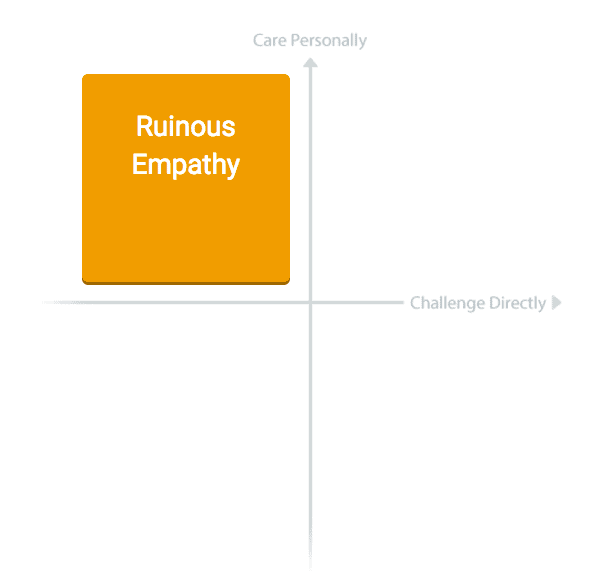
Radical Candor requires both caring personally and challenging directly — drop either one and you fall into a different, less effective quadrant. Being blunt without genuine care is obnoxious aggression. Avoiding hard truths to spare feelings is ruinous empathy. Radical Candor isn't about being brutally honest; it's about being honest because you care. The feedback you give should be kind, clear, specific, and sincere — focused on behaviors and outcomes, never on personality or character.

How long does it take to build a Radical Candor culture on a team?

There's no fixed timeline — think of it like learning a new skill, such as a musical instrument. You can start making positive changes on day one, but lasting cultural change requires continuous practice over months and years. The key is to begin immediately while staying patient with the process. Regular one-on-ones, consistent feedback habits, peer recognition, and revisiting your practices as the team evolves all accelerate progress. The payoff — stronger trust, better collaboration, and higher performance — compounds over time.

Keep going.

Three ways to put this into practice.

Apply what you've learned Get personalized coaching with Compass
Your AI-powered Radical Candor coach. Free to try.
Used by managers at Apple, Dropbox, and Twitter Try Compass free
Stay sharp More like this, every week
Practical leadership tips in your inbox.
Join 25,000+ leaders Subscribe free
For your whole team Bring Radical Candor to your organization
Workshops, keynotes, and rollouts for teams of 50+.
Trusted by 100+ Fortune 500 leadership teams Talk to our team

EXPLORE MORE FROM RADICAL CANDOR

Navigating Workplace Tensions: Stuck Between Ruinous Empathy and Obnoxious Aggression

Navigating Workplace Tensions: Stuck Between Ruinous Empathy and Obnoxious Aggression

Edited By Brandi Neal, Radical Candor podcast writer and producer, and director of content creation for Radical Candor. This article about being...

Read More
Why Being a “Cool Boss” Backfires — And What to Do Instead

Why Being a “Cool Boss” Backfires — And What to Do Instead

Edited By Brandi Neal, Radical Candor podcast writer and producer, and director of content creation for Radical Candor. When leaders prioritize...

Read More
3 Ways to Introduce Radical Candor's Feedback Framework to Your Organization

3 Ways to Introduce Radical Candor's Feedback Framework to Your Organization

When we talk about Radical Candor at companies or with individuals, we see a lot of heads nodding in agreement. People understand that Radical...

Read More