Resetting Expectations With Resistant Direct Reports 7 | 8
Dealing with a direct report who questions everything, isolates their team, and actively undermines leadership? Kim and Amy tackle the tricky...
2 min read
Kim, Jason and Amy answer a listener's question about how to identify the elephant in the room when a direct report's performance isn't meeting expectations. Kim and Jason roleplay how to be kind and clear when delivering feedback to someone who'd rather not hear it. While it can be tempting to default to Ruinous Empathy, the team explains why it's important to double down on the challenge directly axis of Radical Candor instead.
Listen to the episode:

A listener wrote in with a question:
Hi there,
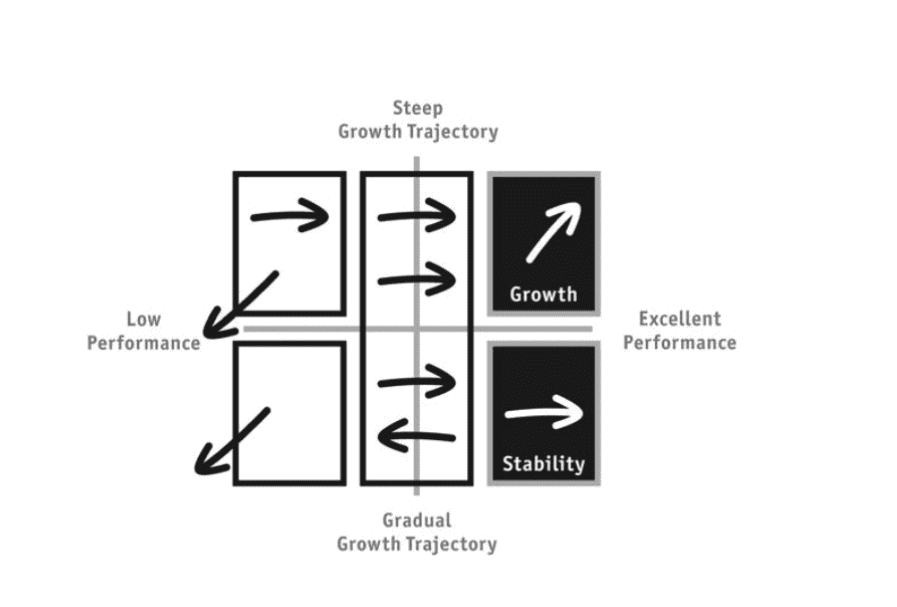
I have a direct report who’s the same age as my dad (71) and given the phase that he is in his life, I wouldn’t put him in the “growth” quadrant. Personally, he’s a nice person and has a good heart but has trust issues, issues with female authority figures (my predecessor was also female, although she was only about 10 years younger than him and he had issues with her), and does not trust management despite being a manager himself.
His intentions are good and he cares personally for his direct reports however it is to the detriment of the organization (or not in the best interest of the organization). His performance if I’m being honest is poor and I’d put him in the “poor performance, no signs of improvement” quadrant.
He falls asleep in meetings and colleagues often approach me about it. I have spoken to him about looking after his health however he has this mindset that “If I retire, I will fall off the perch” — that’s because most of his friends have passed shortly after retiring.
I feel, his motivation to come to work is “something to do” and also part of his routine, however, I don’t believe he is performing at his level nor should he be working full time.
Every time I approach this topic with him, he gets defensive (another example of trust issues) and thinks I want him to retire despite my saying there are so many options we can consider such as reduced workload, part-time, etc.
Can you please advise alternative methods of approaching this situation?
Have questions about Radical Candor? Let's talk >>
————————————————————————————————————————————————————————————–
Episodes are written and produced by Brandi Neal with script editing by Amy Sandler. The show features Radical Candor co-founders Kim Scott and Jason Rosoff and is hosted by Amy Sandler. Nick Carissimi is our audio engineer.
The Radical Candor Podcast theme music was composed by Cliff Goldmacher. Order his book: The Reason For The Rhymes: Mastering the Seven Essential Skills of Innovation by Learning to Write Songs.
Dealing with a direct report who questions everything, isolates their team, and actively undermines leadership? Kim and Amy tackle the tricky...
Kim, Amy, and Jason address a listener's question about the challenges of implementing Radical Candor within a co-managed team. They dive into how...
Radical Candor Episode 2 is here! In this week's episode, Russ and Kim talk about Radically Candid criticism. What is it and why does it work? They...
Share your perspective
Leave a comment below.