2 min read

Your ‘Nice’ Workplace Culture is Fraught With False Harmony 5 | 27

Your ‘Nice’ Workplace Culture is Fraught With False Harmony 5 | 27

Table of Contents

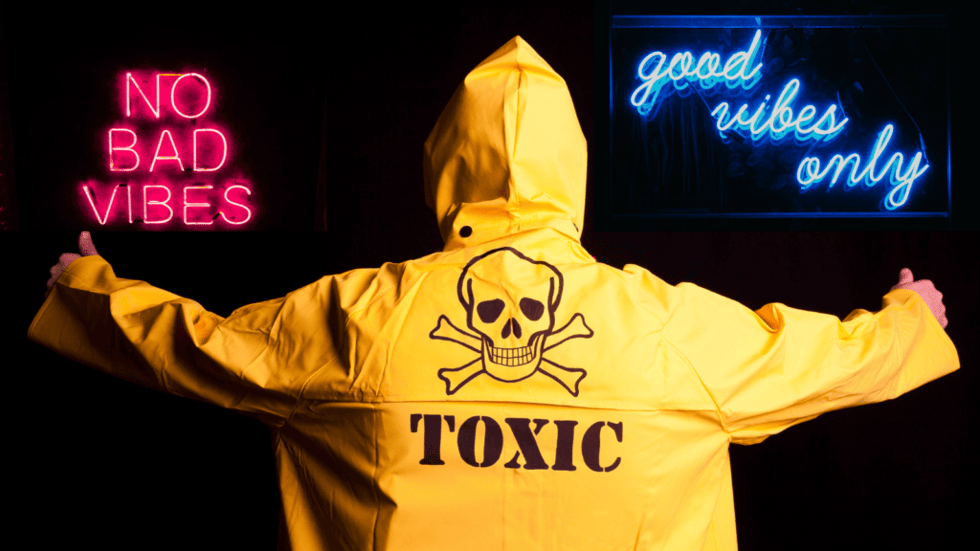
Can a “nice” workplace culture be as toxic as an abusive one? This past summer, our content intern Katie Bartlett (hi Katie!) wrote a piece about the workplace culture trend toward “niceness” investigating whether or not prioritizing “nice” feedback that’s full of vague platitudes over specific and sincere feedback that could make people uncomfortable is harmful. Is toxic positivity Ruinous Empathy or Manipulative Insincerity? Perhaps it's both.

Listen to the episode:
Radical Candor Podcast Episode At a Glance: Toxic Positivity

Toxic Positivity

In Radical Candor Kim writes: “When bosses are too invested in everyone getting along they also fail to encourage the people on their team to criticize one another for fear of sowing discord. They create the kind of work environment where being ‘nice’ is prioritized at the expense of critiquing and therefore improving actual performance.”

This is what we call Ruinous Empathy. Tessa West, a psychology professor at NYU, calls this an acute “culture of niceness” and cites it as a red flag when it comes to identifying toxic workplace cultures.

In 2022, MIT Sloan Management Review defined what they call the “Toxic Five attributes — disrespectful, noninclusive, unethical, cutthroat and abusive.” Niceness is not on the list.

Radical Candor Podcast Checklist: Toxic Positivity

  1. If your desire to be ‘nice’ is getting in the way of telling someone something they’d be better off knowing, flip the script and put yourself in that person’s shoes. Doing what makes you feel good in the moment if it harms the other person in the long run, isn’t nice or kind.
  2. You are not a cruise director or a game show host or a cheerleader. When your intention to be nice has the impact of making others feel hurt or betrayed, you’re perpetuating false harmony. It’s important to focus not only on your intention but the impact it has on other people. If those two things don’t align, your niceness is harmful.
  3. If you’re the leader, it’s important to make it safe for everyone on your team to speak truth to power.  Enforcing a culture of niceness also perpetuates a culture of silence where people will be fearful to tell you things you need to know and instead tell you what they think you want to hear.
  4. Make sure you’re not spreading a thin layer of politeness over a thick layer of fear.

Radical Candor Podcast Resources: Toxic Positivity

@courageousleadership Toxic positivity destroys workplace culture #toxicpositivity #toxicculture #corporateculture #workplaceculture #toxicworkplace #toxicworkenvironment ♬ original sound - Robyn L Garrett

Have questions about Radical Candor? Let's talk >>

————————————————————————————————————————————————————————————–

Episodes are written and produced by Brandi Neal with script editing by Amy Sandler. The show features Radical Candor co-founders Kim Scott and Jason Rosoff and is hosted by Amy Sandler. Nick Carissimi is our audio engineer.

The Radical Candor Podcast theme music was composed by Cliff Goldmacher. Order his book: The Reason For The Rhymes: Mastering the Seven Essential Skills of Innovation by Learning to Write Songs.


Key Questions Covered

What is toxic positivity in the workplace, and why is it a problem?

Toxic positivity is what happens when a "nice" workplace culture prioritizes vague, feel-good platitudes over specific, honest feedback. According to the post, this can be just as harmful as an abusive culture. When leaders focus on keeping everyone happy and avoiding discomfort, they suppress the honest dialogue that helps people actually grow and improve. NYU psychology professor Tessa West calls this an acute "culture of niceness" and flags it as a red flag for toxic workplaces.

How does toxic positivity relate to Ruinous Empathy and Manipulative Insincerity in the Radical Candor framework?

The post suggests toxic positivity can fall into either — or both — of these quadrants. It's Ruinous Empathy when a leader genuinely cares about people but withholds honest feedback to avoid discomfort, ultimately failing them. It tips into Manipulative Insincerity when the niceness is more about making the leader feel good in the moment than actually helping the other person. Either way, the impact is the same: people don't get the feedback they need to improve.

How can I tell if my intention to be "nice" is actually causing harm?

The post offers a simple gut check: focus not just on your intention but on the impact your behavior has on others. If those two things don't align — if what you intended as kindness leaves someone feeling hurt, betrayed, or in the dark — your niceness is harmful. Ask yourself whether you're doing what makes you feel comfortable in the moment at the expense of what the other person actually needs to hear and know to succeed.

What does a culture of niceness do to a team's ability to speak up?

It creates a culture of silence. When leaders enforce niceness as a norm, team members become afraid to share bad news, surface problems, or challenge decisions. Instead of telling you what you need to hear, people will tell you what they think you want to hear. As the post puts it, you risk spreading "a thin layer of politeness over a thick layer of fear" — which means the problems that most need your attention never reach you.

What can I do as a leader to counteract false harmony on my team?

The post recommends making it genuinely safe for everyone on your team to speak truth to power. That means modeling honest, specific feedback yourself rather than defaulting to cheerleading or empty praise. Flip the script when you're tempted to stay vague — put yourself in the other person's shoes and ask whether withholding the truth actually serves them. Real kindness means giving people information they need, even when it's uncomfortable, not protecting your own comfort at their expense.

Is "niceness" considered one of the toxic workplace attributes identified by researchers?

Interestingly, no. The post references a 2022 MIT Sloan Management Review study that identified the "Toxic Five" workplace attributes as: disrespectful, noninclusive, unethical, cutthroat, and abusive. Niceness didn't make that list — which might seem reassuring, but the post argues that a culture of niceness can enable or mask those very toxic behaviors by suppressing honest communication and creating false harmony.

Keep going.

Three ways to put this into practice.

Apply what you've learned Get personalized coaching with Compass
Your AI-powered Radical Candor coach. Free to try.
Used by managers at Apple, Dropbox, and Twitter Try Compass free
Stay sharp More like this, every week
Practical leadership tips in your inbox.
Join 25,000+ leaders Subscribe free
For your whole team Bring Radical Candor to your organization
Workshops, keynotes, and rollouts for teams of 50+.
Trusted by 100+ Fortune 500 leadership teams Talk to our team

EXPLORE MORE FROM RADICAL CANDOR

We Have Some Feedback About Feedforward 5 | 23

We Have Some Feedback About Feedforward 5 | 23

On this episode of the Radical Candor podcast, Kim, Jason and Amy discuss the trend of prioritizing future-focused feedforward over backward-looking...

Read More
Podcast Season 4, Mini Episode 1: The Bob Story, a Tale of Ruinous Empathy

Podcast Season 4, Mini Episode 1: The Bob Story, a Tale of Ruinous Empathy

Ruinous Empathy is what happens when you want to spare someone’s short-term feelings, so you don’t tell them something they need to know. You Care...

Read More
Podcast Episode 3: Ruinous Empathy and Praise

Podcast Episode 3: Ruinous Empathy and Praise

Have you ever received praise that made it feel like you were just getting a pat on the head? Or have you ever given someone praise because you...

Read More