


What to Do When a Peer’s Feedback Annoys You
We recently received a listener question about peer feedback, and it’s one that I come across often in conversations with readers. Russ and I talked...
Table of Contents
As we’ve mentioned in a couple of podcast episodes (Ep 13: Help! My Boss is a Micromanager and Ep 8: How to Give Feedback to Your Boss), sometimes no matter how hard you try, no matter how much great feedback you solicit and give, a job just isn’t going to work out, and you’re going to have to take the advice I got from Gretchen Rubin:
Don’t forget to quit.
Quitting can be really hard. Maybe you’ve got a team that you feel loyal to, or you’ve invested a lot in the company, or you are worried what will happen next. But it’s really important to leave positions that are making you miserable and aren’t going to get better.

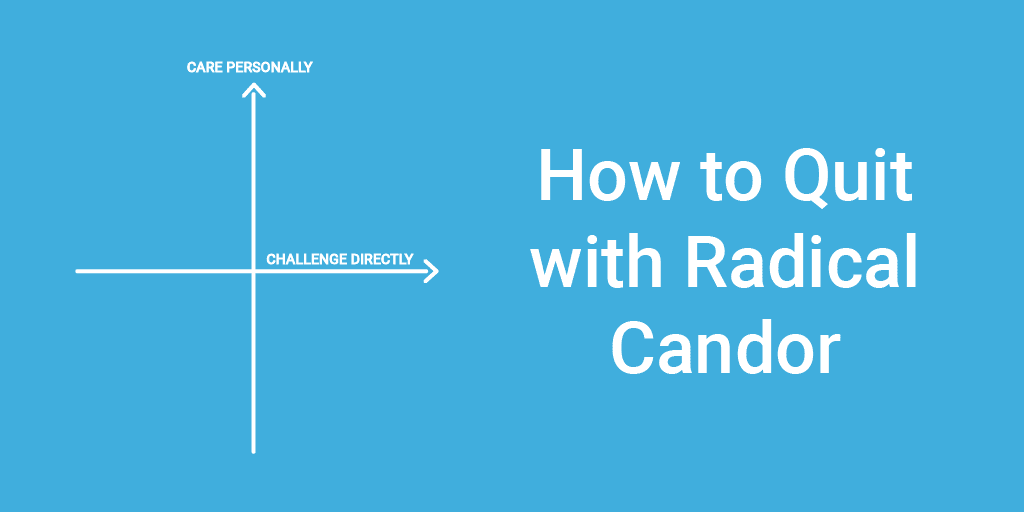
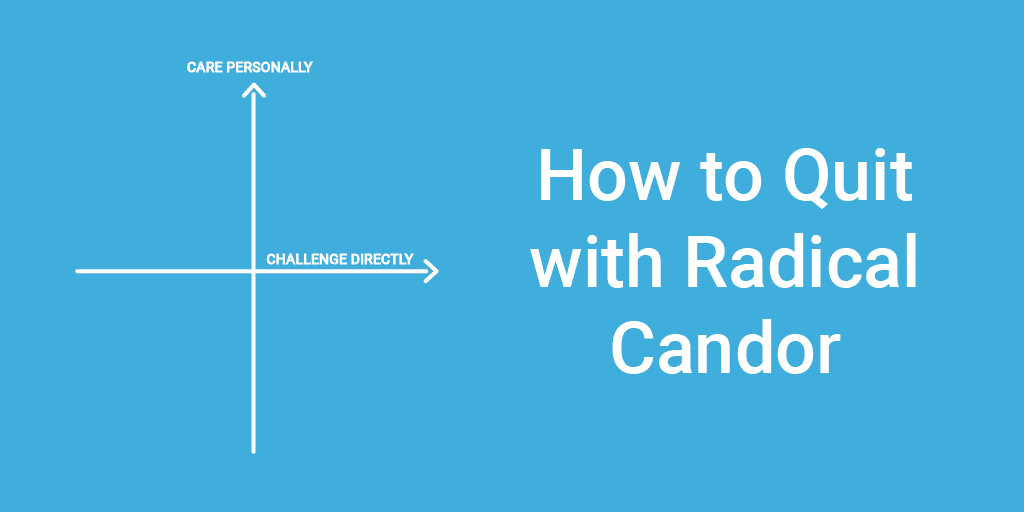
If you do decide to quit, keep the ideas behind Radical Candor in mind -- Care Personally and Challenge Directly. Here’s how they apply:
When you quit, you're doing two things--moving away from one thing and towards another. Too often, people have remained quiet about what they are not happy about because they are afraid of being fired if they speak up. But, if you've decided to quit anyway, why not speak up about what's bothering you? Maybe there's a solution and you won't have to quit!
A good boss gives feedback along the way, and so doesn't give a poor performance review or fire somebody out of the blue. Similarly, it's considerate to give your boss some indication of what's wrong so that they have an opportunity to fix it before you quit. Make sure it doesn't sound like you're making ultimatums. Just be clear about what's driving you away from this job, if there are things. If it's purely a matter of moving towards something different, explain that clearly.
Something has been good about this job. Think about the things you are grateful for, and give voice to them. Don't just share this with your boss, share it with your colleagues as well. When somebody quits, it makes everybody wonder if they should be quitting too. Don't leave in a way that makes everyone feel lame for staying. You can alleviate this discomfort by focusing on all the things that you appreciated about the job and your colleagues. If it was a hard decision to leave, don't be afraid to say so.

A few weeks after you leave, send a note, or if it seems comfortable, go have a coffee or lunch or drinks with people from your old team. You spent a lot of time with these people, and, I hope, developed some kind of personal relationship with them. It can be disorienting if it feels like you dropped off the face of the earth. It's hard to believe you "cared personally" if you never talk to the people again after you're no longer working together.
When you leave one job, there may be one or two people with whom you have an especially close relationship and who are likely to "follow" you. That's to be expected. But don't gut your former company. Don't start reaching out to people you don't know all that well and trying to hire them away.
I hope these tips are helpful in making quitting a little less painful for you and the team you’re leaving. If you have more questions, feel free to reach out in the comments below, or more privately here :)
The key is to apply Radical Candor's core principles — Care Personally and Challenge Directly — even on your way out. Give your boss a heads-up about what's driving you away so they have a chance to fix it before you resign. Express genuine gratitude to your boss and colleagues, and keep in touch after you leave. Avoid gutting the team by poaching former coworkers indiscriminately. Leaving thoughtfully preserves relationships and your professional reputation.
Yes — if you've already decided to quit, you have little to lose by being honest about what's bothering you. In fact, speaking up gives your boss a real opportunity to fix the problem, which might mean you don't have to quit at all. Just make sure your feedback doesn't sound like an ultimatum. Be clear and candid about what's driving you away, or if it's simply a pull toward something new, explain that honestly instead.
When someone quits, it naturally makes colleagues question whether they should quit too. If you leave bitterly or without acknowledging the positives, you risk demoralizing the team you're leaving behind. Taking time to genuinely highlight what you valued about the job and your coworkers eases that discomfort. It also reflects the 'Care Personally' side of Radical Candor — showing that the relationships you built mattered to you beyond your own career move.
A few weeks after you leave is a good window. Send a note, grab coffee, or meet for lunch with people from your old team. You invested significant time with these people and likely built real personal connections. Going completely silent after leaving can feel jarring to those left behind and contradicts the 'Care Personally' principle of Radical Candor. A simple check-in keeps the relationship alive and shows the connection was genuine.
It's natural that one or two people with whom you had a close relationship might follow you to a new opportunity — that's expected. But avoid indiscriminate poaching. Reaching out to people you didn't know well and trying to hire them away can seriously damage your former company and harm the colleagues you're leaving behind. Radical Candor asks you to care about people beyond your own immediate needs, and that includes not gutting a team on your way out.
Loyalty to your team is admirable, but staying in a job that's making you miserable and isn't going to improve doesn't serve anyone well in the long run. Radical Candor encourages you to be honest — with yourself and others. If the role isn't working, leaving thoughtfully, giving proper notice, expressing gratitude, and maintaining relationships afterward is actually a more caring and respectful approach than staying and becoming disengaged or resentful.
Three ways to put this into practice.
Related reading
We recently received a listener question about peer feedback, and it’s one that I come across often in conversations with readers. Russ and I talked...
We have learned something really important from the way that the press sometimes describes Radical Candor as brutal honesty. And we want your advice...

When talking about Radical Candor, I often get asked about how it applies to different cultures. Can Radical Candor be used for feedback and...