Why Being a “Cool Boss” Backfires — And What to Do Instead
Edited By Brandi Neal, Radical Candor podcast writer and producer, and director of content creation for Radical Candor. When leaders prioritize...
4 min read
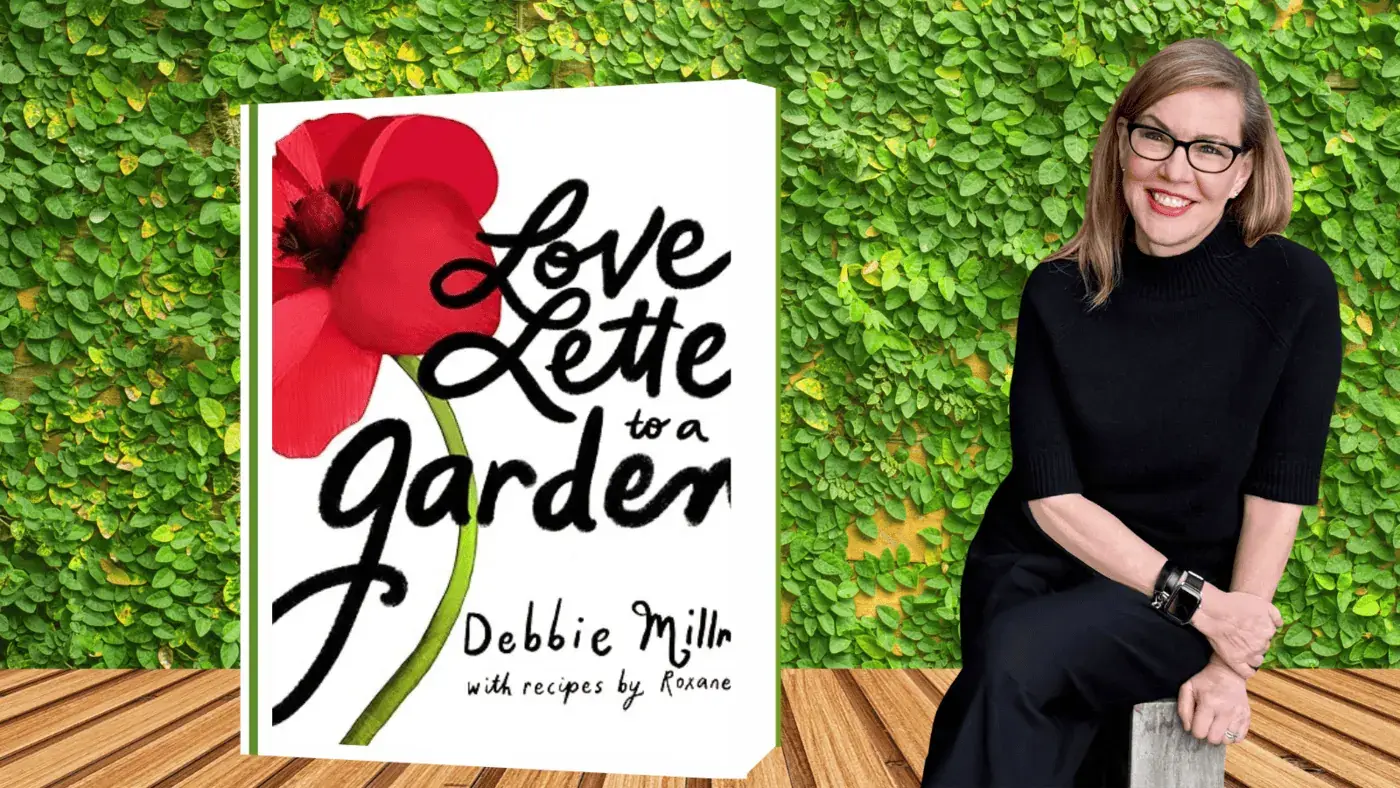
Edited By Brandi Neal, Radical Candor podcast writer and producer, and director of content creation for Radical Candor. In a conversation with Radical Candor Principal Coach and Podcast Host Amy Sandler, designer and author Debbie Millman reflects on the quiet courage behind creativity, the emotional shift from maker to manager, and how Radical Candor can help leaders grow trust, resilience and meaningful work—one conversation, and one seed, at a time.
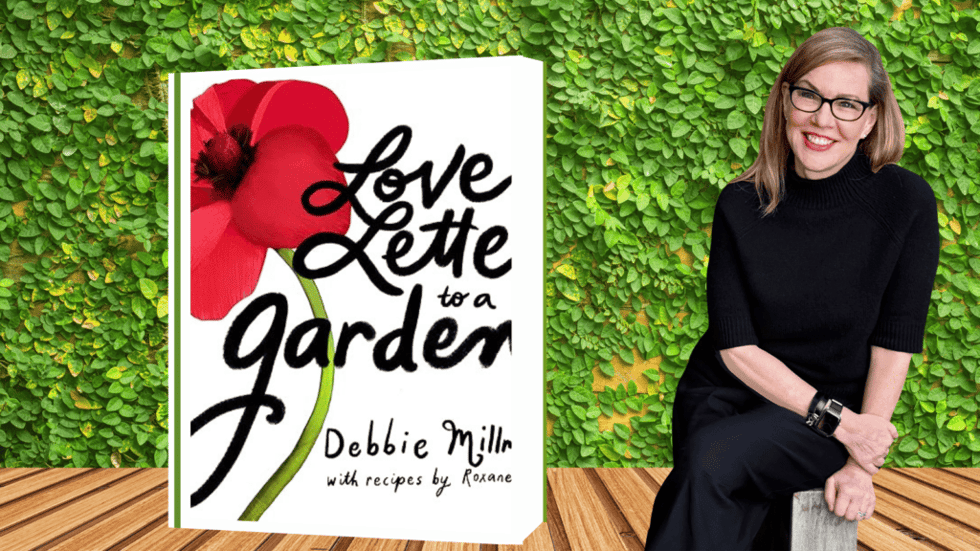
That simple line, both humorous and profound, says a lot about Millman’s creative and leadership philosophy. As a celebrated designer, author, and longtime host of the Design Matters podcast, she has spent decades exploring what it means to make meaningful work—and what it takes to support others in doing the same.
Millman’s latest book, A Love Letter to a Garden, brings that philosophy into focus. Described as “part memoir, part creative manifesto,” the book reflects on what it means to nurture the people, projects and possibilities we care about. It's about cultivating courage, tending with care, and embracing the messy, beautiful work of growth.
“There’s this idea that you plant a seed and it grows,” Millman said. “But what people don’t talk about is all the waiting. All the invisible work. All the failure.”
It’s a lesson that applies far beyond the garden. Whether you're writing a book, building a career, or leading a team, growth is rarely fast—or linear. It’s often quiet. Slow. Full of uncertainty. And yet, it’s in that invisible work where the real transformation happens.
Amy Sandler, Radical Candor’s principal coach and podcast host, put it plainly: “There’s a lot of invisible labor in leadership, especially creative leadership. That emotional labor isn’t always acknowledged.”
And that’s the paradox—because invisible work is often what makes visible impact possible.
Many creatives experience a pivotal shift at some point in their careers: from being the one who makes the work to being the one who guides the work. That move from contributor to manager is one of the most emotionally complex transitions in a creative’s life.
It’s also one that Millman understands deeply.
Over her career, Millman has led design teams, built a media brand, and mentored countless students and collaborators. With each role, the demands shifted from individual expression to collective cultivation—from personal output to supporting others' development.
This shift can be disorienting. You go from relying on your instincts to needing people skills. From focusing on your own creative process to holding space for others' uncertainty. It requires emotional fluency, and more than anything, it requires a willingness to practice Radical Candor.
“To care personally means you have to slow down and actually see the other person,” said Sandler. “That’s not easy when you’re used to running on creative momentum.”
Radical Candor—caring personally while challenging directly—offers a framework that helps bridge that shift. It reminds leaders that growth doesn’t come from perfection. It comes from presence.
Millman’s podcast Design Matters recently celebrated its 20th anniversary. What started as a scrappy project in the early days of internet radio has grown into one of the most respected creative interview shows in the world.
Across more than 500 episodes, Millman has interviewed some of the most influential artists, writers, thinkers and leaders of our time. When asked what has sustained her over two decades, her answer wasn’t about ambition. It was about presence.
“The podcast taught me how to listen,” she said. “And that changed everything.”
Listening, in creative work and in leadership, is a skill that transforms everything it touches. It builds trust. It deepens understanding. It allows new ideas to emerge.
“You can’t fake curiosity,” Sandler added. “People know when you’re just waiting to talk. But when you’re really listening, you’re creating space for truth—and growth.”
Whether she’s speaking to a guest or guiding a team, Millman’s approach reflects a deep respect for the human side of the work. “I want to know who someone is, not just what they’ve done,” she said.
That ethos is as important in a team meeting as it is in a recorded interview.
One of the most radical shifts creative leaders can make is rethinking their relationship to failure. Instead of seeing it as something to avoid, Millman encourages embracing it as part of the growth process.
“Failure is fertilizer,” she said. “It feeds the next attempt, the deeper insight, the unexpected path.”
This mindset isn’t just useful for artists. It’s essential for managers, especially those committed to cultivating a learning environment. When leaders model resilience—by owning their missteps, learning out loud, and encouraging experimentation—they make it safe for their teams to do the same.
Sandler reflected on the fear that often prevents people from giving feedback or taking risks. “We’re so afraid of getting it wrong that we sometimes don’t say anything. But silence isn’t kindness—it’s avoidance.”
That’s why Radical Candor matters. When people feel cared for, they can hear tough feedback without defensiveness. When they feel safe to fail, they’re more likely to take creative risks.
And in creative work, risk is everything.
Amy C. Edmondson, the Novartis professor of leadership and management at the Harvard Business School and author of several books, including The Fearless Organization: Creating Psychological Safety in the Workplace for Learning, Innovation, and Growth and Right Kind of Wrong: The Science of Failing Well, explained it like this:
“It’s not easy or obvious to know how to fail well. But with so many critical and complex issues facing us personally, in business, and in the world at large, we must learn to frame failure differently: as a source of information, as a part of our personal development, and as an experience shared by everyone.”
In the end, Millman’s message is deceptively simple: we grow what we love. Whether that’s a garden, a project, a relationship or a team, the same truth applies—growth takes tending. It requires showing up, again and again, through the weeds and the weather.
And it’s not just the work that grows. When we invest in what we love with courage and care, it grows us in return.
Leadership, then, becomes an act of love. Not the soft, sentimental kind—but the durable kind. The kind that is patient and persistent. The kind that makes space. The kind that listens, learns, and leads with honesty.
So whether you're managing a team or nurturing a creative path of your own, the invitation is clear: Be present. Be brave. Be tender. And above all—grow what you love.

Edited By Brandi Neal, Radical Candor podcast writer and producer, and director of content creation for Radical Candor. When leaders prioritize...

Edited By Brandi Neal, Radical Candor podcast writer and producer, and director of content creation for Radical Candor. This article about how to...

Edited By Brandi Neal, Radical Candor podcast writer and producer, and director of content creation for Radical Candor. This article about rebuilding...
Share your perspective
Leave a comment below.