Edited By Brandi Neal, Radical Candor podcast writer and producer, and director of content creation for Radical Candor. This article about rebuilding connection and collaboration through Radical Candor has been adapted from the Radical Candor podcast S7, Ep. 2 transcript about the same topic.
In an increasingly polarized world, fostering genuine connection and collaboration in the workplace has become both a challenge and a necessity.
Kim Scott, author and co-founder of Radical Candor, Amy Sandler, principal coach and podcast host at Radical Candor, and Heather McGowan, an author, speaker, and future-of-work strategist, recently shared their insights into overcoming workplace division and building bridges through respect, empathy, and curiosity.
Leaders are struggling to bring people together in an era of increasing polarization and disconnection to create cohesive, high-performing teams.
While the challenge of overcoming polarization seems daunting, it's also an opportunity to create workplaces and communities that thrive on diversity of thought and genuine human connection.
The Roots of Division
McGowan emphasizes that polarization at work often mirrors broader societal divides. "We stopped spending as much time together about fifty years ago," she explains, referencing Robert Putnam’s seminal book Bowling Alone. This loss of "bridging capital"—the loose connections that foster trust and shared understanding—has only deepened over time.
Adding to this fragmentation is the loneliness epidemic, which McGowan describes as leaving individuals in a heightened state of "fight or flight" that exacerbates an "us versus them" mentality. "It’s really easy to control people with fear," she notes.
The result? A workplace culture where collaboration falters and employees segregate themselves based on shared beliefs rather than shared goals.
The Myth of Forced In-Person Work
While some leaders believe mandating in-office work will solve connection issues, McGowan challenges this assumption:
"There's a lot of people who believe the only way we're gonna solve this is get everybody back in the office, and I don't know that that is necessarily true... If we can [form relationships online], and that is now the prevailing trend on how we meet our mates, you can't tell me that we can't create culture, we can't create social connection virtually."
Finding Common Ground
"Start with the right intention, not the assumption that someone’s beliefs are a personal affront to you," she advises. Instead, seek to understand their perspective by asking, "How did you come to believe that?"
Scott agrees, pointing to the importance of balancing curiosity with respect. "It’s about creating space for understanding," she says. "When you lead with curiosity, you can uncover shared values and build a foundation for collaboration."
Practical Strategies for Leaders
Leaders play a pivotal role in fostering connection. Both McGowan and Scott advocate for creating environments where everyone feels seen and heard.
"Organizations need clear values that underline mutual respect," McGowan asserts. "If your team can agree that everyone deserves to be respected, it creates a foundation for navigating differences."
Listening to frontline workers is another crucial step. Scott cites research showing that empowering employees at all levels not only boosts morale but also drives innovation.
"When leaders truly listen, they unlock insights that can transform their organizations," she explains.
The Role of Radical Candor
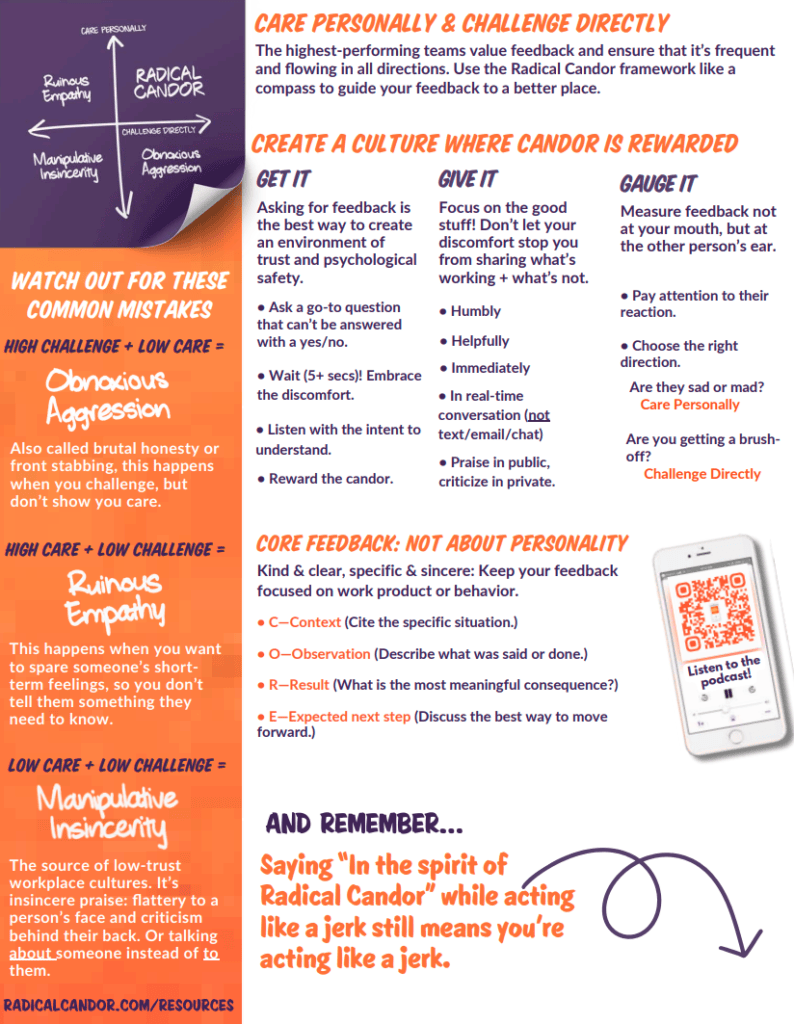
Scott’s framework of Radical Candor offers actionable tools for addressing workplace challenges. By combining direct feedback with genuine care, leaders can navigate difficult conversations without alienation or judgment.
“Ultimately, I mean, a lot of research shows humans are hardwired to care about each other and to help each other,” McGowan says.
This is where the principles of Radical Candor can be particularly effective. By encouraging open and honest communication, while also demonstrating care and respect, leaders can create a more inclusive and collaborative environment.
Sandler highlights the importance of getting comfortable with discomfort. “It feels like this moment is not just about curiosity. It’s also about, can I be a little more comfortable in that silence and in that not knowing,” Sandler says.
"Radical Candor isn’t just about giving feedback. It’s about building relationships strong enough to handle it."
The Power of Curiosity
"For almost a century, we all believed the Wicked Witch of the West was evil. Now, thanks to Wicked, we’re reexamining that story. What else in our lives could we see differently if we stayed curious?"
This openness, she notes, extends to leadership. "Leaders who ask questions instead of dictating answers create space for innovation and collective intelligence," McGowan says. "And that’s what we need to thrive in an ever-changing world."
Small Steps, Big Impact
Rebuilding connection doesn’t require grand gestures. McGowan encourages simple, intentional actions: "Talk to your neighbors, engage with your colleagues about non-work topics, or even just ask someone about their favorite movie. These small interactions build the social capital we’ve lost."
Scott echoes this sentiment, urging people to connect both within and outside the workplace. "Call someone you love to recharge your emotional reserves before reaching out to someone you find challenging," she suggests. "It’s about building bridges, one conversation at a time."
Tracking Connection in the Workplace
To ensure efforts to reduce polarization are effective, leaders should implement metrics to track progress:
- Employee Net Promoter Score (eNPS) to gauge overall satisfaction and loyalty
- Collaboration metrics, such as cross-departmental project participation
- Diversity of thought in decision-making processes
- Frequency and quality of one-on-one conversations between team members with different viewpoints
- Retention rates, particularly among diverse employee groups
Regularly assess these metrics and adjust strategies accordingly to foster a more connected workplace culture.
Moving Forward
As workplaces navigate polarization and change, fostering connection and collaboration has never been more critical. By embracing curiosity, practicing Radical Candor, and prioritizing shared humanity, leaders and teams can create environments where respect and collaboration flourish—even in the most divided times.
"If we don’t solve polarization and reconnect as humans," McGowan warns, "AI and technology won’t matter. Our ability to collaborate is what has always set us apart. It’s what will define our future."
More from Radical Candor
How Do You Ask for Feedback? The Three Tests of a Good Go-To Question
The idea Get it. Don’t just be open to it.
How Do You Get Feedback? The Four Steps to Solicit Radical Candor®
A Story People often focus on feedback they get from their bosses. But the best feedback comes from the people who work for you. It can be difficult to get it—unless you create a …
Fixing the Employee Experience (with Tiffani Bova) 8 | 26
While the podcast team is on a Radical Sabbatical, Kim Scott is spending the season talking to authors of the books that have shaped her thinking. This week: Tiffani Bova, whose …
Share your perspective
This site is protected by reCAPTCHA and the Google Privacy Policy and Terms of Service apply.