7 Leadership Communication Skills for Managing a Remote Team
By Gaurav Sharma, founder and CEO of Attrock, a results-driven digital marketing company he grew an agency from 5-figure to 7-figure revenue in just...
7 min read

By Nahla Davies, a software developer and tech writer. Before devoting her work full-time to technical writing, she managed—among other intriguing things—to serve as a lead programmer at an Inc. 5,000 experiential branding organization whose clients include Samsung, Time Warner, Netflix, and Sony.
Hybrid work has transformed the way we navigate our professional and personal lives. What was once a clear distinction between home and office is now a murky blend, and with that comes new challenges.
How do we maintain healthy boundaries while fostering collaboration and delivering feedback that lands effectively?
Radical Candor—the art of caring personally while challenging directly—offers a much-needed approach to addressing the complexities of this evolving work environment.

Office days, meanwhile, often feel like a rush to cram every meeting and collaboration into a few precious hours, creating their own form of stress.
The shift from spontaneous, face-to-face interactions to scheduled Zoom calls or Slack messages strips away much of the nuance in communication. Jokes don’t always land, context is lost, and misunderstandings become more common. Without intentional strategies to counter these challenges, hybrid teams can easily find themselves disconnected and disengaged.
Building trust starts with communication that feels intentional and authentic. Regular one-on-one meetings are a powerful way to connect, not just as a manager but as a fellow human being. These sessions shouldn’t feel like status updates—they should be opportunities for real conversations about goals, concerns, and even the mundane aspects of life. For instance, a simple “How’s the puppy settling in?” can go a long way in showing genuine care.
Tools and platforms play a supporting role here. Something as foundational as reliable, dedicated server hosting ensures teams can share files or updates without technical hiccups disrupting the flow of communication. These small but critical details reinforce that the infrastructure supports seamless collaboration.
Delivering feedback in a hybrid setting also demands finesse. Virtual environments often amplify the risk of miscommunication, so clarity becomes non-negotiable.
Before giving feedback, pause to frame it thoughtfully: What are you trying to achieve? Are you recognizing effort, addressing an issue, or setting a new direction? When done with clarity and kindness, feedback lands as helpful rather than critical. Following up with a brief written recap ensures there’s no room for confusion.
On a 2024 episode of the Flex Perspectives podcast, Radical Candor author and co-founder Kim Scott shared her insights for creating a culture of Radical Candor in hybrid work environments.
With over 1,100 hours of meeting data analyzed, she sheds light on the complexities of remote work, the significance of structured agendas, and the importance of leadership in fostering inclusive environments.
“It may feel like an in person meeting already, a little hard to cut in when there’s 10 people and you haven’t talked much. But in a remote setting, when you have two or three people going back and forth, the barrier to entry feels pretty high,” Snyder noted.
It can be extremely challenging for someone who is remote and to weigh in with people in the room.
“And the longer you’ve been quiet, the more disruptive it might feel to you to put your voice forward. I’m going to come off mute. I’m going to say something now after forty-two minutes of not [saying anything].”
Tips for leaders to enhance meeting engagement and navigate the evolving landscape of workplace communication:
Clear communication around expectations is one of the most effective ways to support boundaries. Let’s say your team spans multiple time zones. Acknowledging this upfront and setting clear “off-hours” signals respect for everyone’s personal time.
Similarly, concise communication acts as a safety net. It provides employees with the answers they need without requiring them to ping someone after hours.
Boundary violations are a slippery slope in hybrid work. A single late-night email can set the precedent for a culture of 24/7 availability. Radical Candor calls on leaders to intervene early and decisively, but always with care.
For instance, if you notice a team member responding to messages during their personal time, a quick nudge can help reset expectations. “I saw your email last night—please don’t feel pressured to reply outside of work hours,” is a gentle way to reinforce boundaries.
Encouraging asynchronous communication, paired with clear documentation, allows teams to stay productive without infringing on personal time.
Without it, employees hesitate to speak up, share ideas, or admit mistakes. In hybrid and virtual settings, where the lack of in-person cues can already make people feel isolated, cultivating psychological safety is more crucial than ever.
The first step is vulnerability. Leaders who admit their own struggles or uncertainties—like juggling work and homeschooling—show their team that it’s okay to be human.
This openness fosters trust. Encouraging peer feedback also democratizes communication. When team members see feedback as a two-way street, it feels less intimidating and more collaborative.
In an article for Harvard Business Review, Edmondson and Mark Mortensen "suggest a series of five steps to create a culture of psychological safety that extends beyond the work content to include broader aspects of employees’ experiences."
These steps include setting the scene, leading the way, being patient, sharing examples, and being a watchdog. Read the full article here.
According to Project Include, “The pandemic-driven shift to remote workplaces has exacerbated longstanding, systemic problems and amplified workplace biases. Bad management and communications got worse, as did anxiety and work-life balance, especially for people from marginalized communities.”
If you’re being bullied: Confront bullying with a “you” statement that shows a person there will be negative consequences for their behavior. The consequence doesn’t have to be super intense — sometimes just asking a person a question that it’s hard for them to answer is enough. For example, “What’s going on for you here?” Or “You can’t talk to me that way.”
This is all well and good, but what do you do when the person has power over you? When the person who is biased, prejudiced, or bullying you is for example your boss?
"In these cases, I encourage people to look for leverage in the kinds of checks and balances that a healthy workplace or a healthy society offer. It may feel like the person has unlimited control over you, but often we have more agency and more degrees of freedom than we at first realize," Kim explained.
If you’re behaving in a bullying way or at the very least micromanaging your team, take a step back, stop talking and start listening to problems, asking relevant questions and collaboratively brainstorming solutions. Focus on removing obstacles and defusing explosive situations. Replace blame with curiosity. Basically, you want to be hands-on, ears on and mouth off.
Recognize the role that power plays in bullying. As individuals with power, even a small amount of power makes us more likely to engage in bullying behavior. As organizations, we need to systemically create real consequences for bullying behavior, especially as it relates to relationships with power dynamics.
Likewise, make sure everyone has a habit of documenting their concerns or general thoughts, and that each team member can manage their documents freely and without oversight.
Secure and reliable server architecture ensures everyone has uninterrupted access to the resources they need, cutting down on unnecessary frustration.
Feedback platforms like 15Five or Lattice simplify the process of sharing insights regularly despite the remote setup, making it easier to keep the dialogue flowing.
To truly embed Radical Candor into hybrid work, you need to measure its impact. Metrics like employee engagement, collaboration efficiency, and burnout levels provide valuable insights into how well the approach is working.
Anonymous feedback tools like surveys are particularly helpful, giving employees a safe space to share their honest perspectives. As hybrid work continues to evolve, these insights allow leaders to fine-tune their strategies.
Hybrid work is as challenging as it is rewarding. It pushes us to rethink how we communicate, collaborate, and maintain boundaries. The principles of Radical Candor—communication that's kind, clear, specific, and sincere—offer a blueprint for navigating this complexity.
Fostering trust, respecting boundaries, and leading with empathy allows leaders to create hybrid workplaces where both people and performance thrive. It’s not just about getting the work done—it’s about creating a culture where everyone feels valued, heard, and empowered to succeed.
Nahla Davies is a software developer and tech writer. Before devoting her work full-time to technical writing, she managed—among other intriguing things—to serve as a lead programmer at an Inc. 5,000 experiential branding organization whose clients include Samsung, Time Warner, Netflix, and Sony.
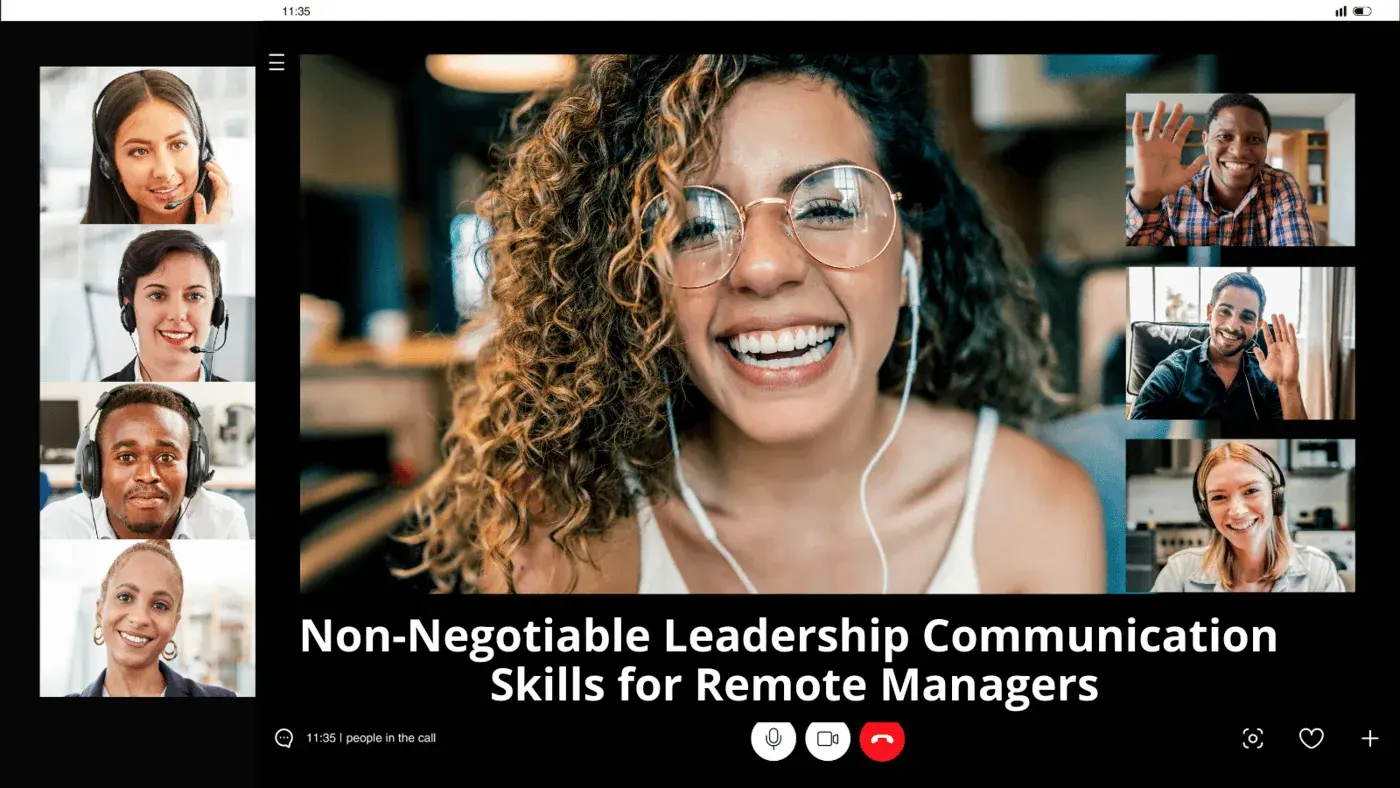
By Gaurav Sharma, founder and CEO of Attrock, a results-driven digital marketing company he grew an agency from 5-figure to 7-figure revenue in just...

A Gallup research study notes that 59% of employees in remote-capable positions want a hybrid work setup. And 60 percent of exclusively remote...
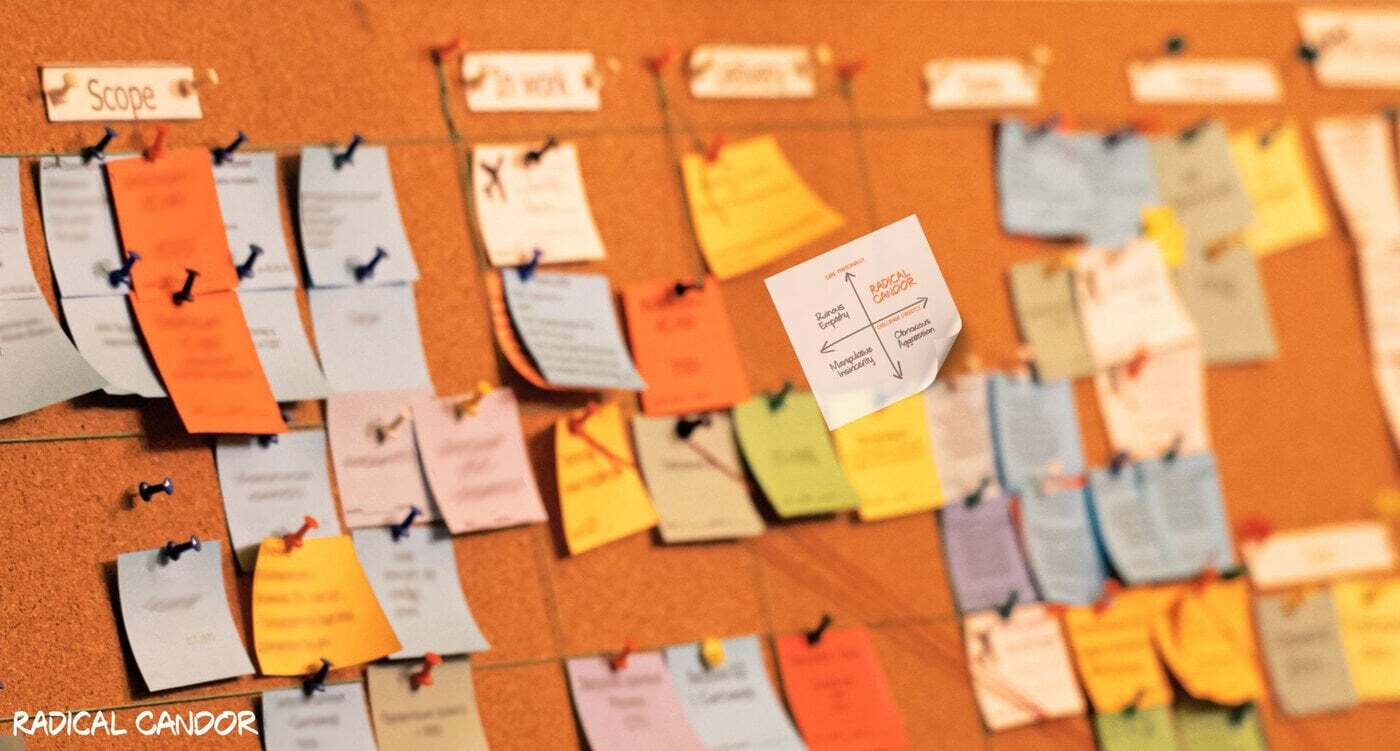
By Nahla Davies, a software developer and tech writer. Before devoting her work full-time to technical writing, she managed—among other intriguing...
Share your perspective
Leave a comment below.